In This Guide
- Meet the All-Stars: A Breakdown of the Best Pie Apple Varieties
- How to Pick and Prep Your Good Pie Apples Like a Pro
- Your Pie Apple Questions, Answered (The Real Stuff Google Doesn't Always Tell You)
- Putting It All Together: A Simple Action Plan for Your Next Perfect Pie
- Final Slice: It's All About the Apple
Let's be honest. We've all been there. You follow a famous apple pie recipe to the letter, your crust is perfect, your spices are just right, but the filling turns into a sad, mushy puddle. Or worse, it's watery and the top crust floats like a sad little island. The culprit? Almost always the apples. Not all apples are created equal when it comes to baking, and choosing the right one is the single most important decision you'll make. It's the difference between a "good enough" pie and a legendary one that people beg you to make again.
So what actually makes a good pie apple? It's not just about flavor. Anyone can pick a sweet apple. The magic is in the texture and how it behaves under heat. A great baking apple needs backbone. It needs to hold its shape, not disappear into applesauce. It needs a balance of sweet and tart to stand up to sugar and spice. And it needs to release just enough juice to be saucy, but not so much that you're left with a soggy mess.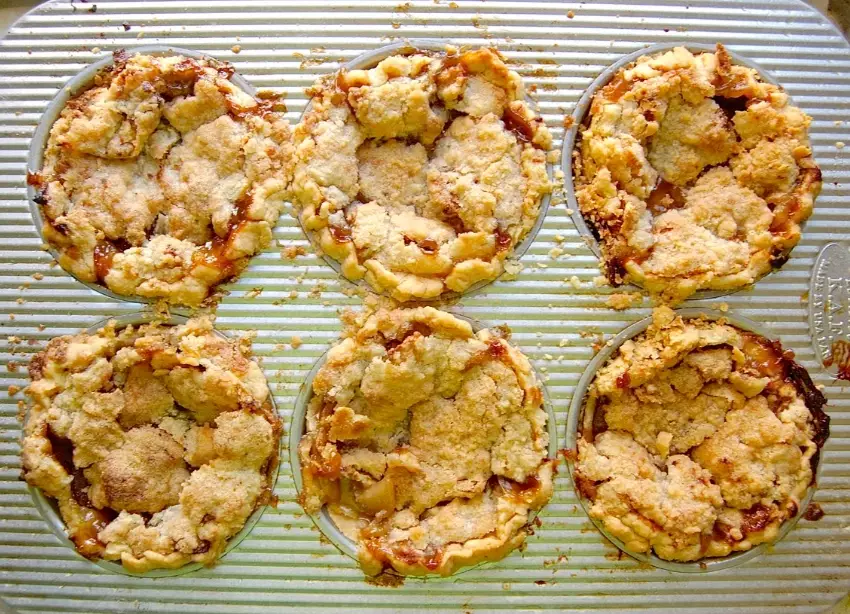
I learned this the hard way. My first from-scratch pie years ago was made with Red Delicious apples because they were on sale. Big mistake. The result was bland, textureless, and utterly forgettable. It was a pie-shaped lesson in why some apples are for eating out of hand, and others are destined for oven glory.
Meet the All-Stars: A Breakdown of the Best Pie Apple Varieties
Forget the generic "baking apples" label at the store. Let's get specific. Some apples are undisputed champions, while others are solid team players. Your choice depends on the kind of pie experience you're after.
The Top Tier: The Classics That Never Fail
These are the varieties you can always count on. They're widely available (in season) and have stood the test of time for a reason.
Granny Smith: The quintessential pie apple. Its bright green skin screams tartness, and it delivers. What makes Granny Smith a consistently good pie apple is its rock-solid structure. It slices cleanly and bakes up into distinct, tender-yet-firm pieces. The high acidity cuts through rich, buttery crusts and sweet fillings beautifully. Some folks find it too tart on its own, which is why it's often mixed with a sweeter variety. Personally, I love a pure Granny Smith pie with a touch more sugar—it feels clean and vibrant.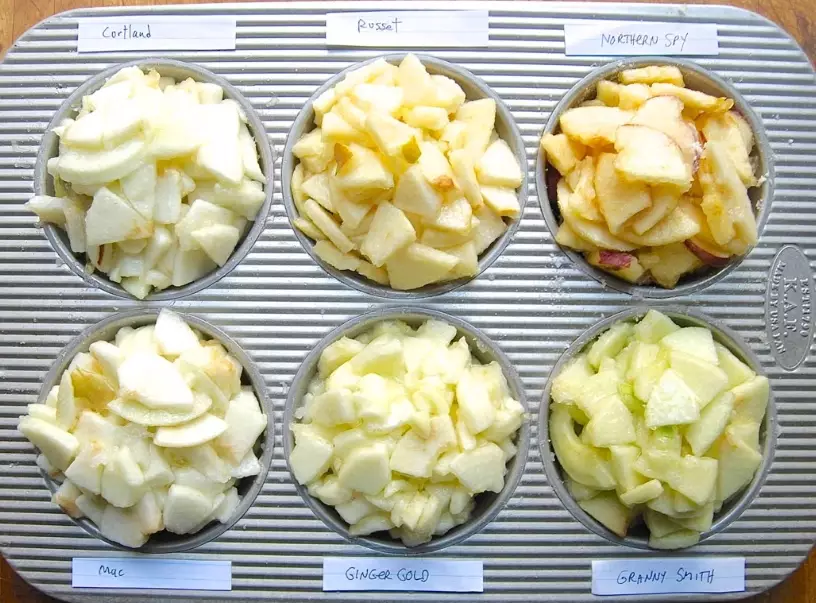
Honeycrisp: Oh, Honeycrisp. The darling of the apple world. It's expensive for a reason. Its explosive juiciness and perfect sweet-tart balance make it fantastic for eating. For pie? It's excellent, but with a caveat. It's a juicer apple, so you might need a thickerener like cornstarch or tapioca to manage the liquid. Its texture holds up surprisingly well, offering a satisfying crunch that softens to a pleasant tenderness. Using Honeycrisp for pie feels a bit luxurious, but the flavor payoff is often worth it.
Braeburn: This is my personal sleeper hit. It's like the perfect hybrid. It has a firm flesh similar to Granny Smith but with a warmer, spicier sweetness and less aggressive tartness. It bakes up wonderfully, maintaining great shape and releasing a manageable amount of sweet-tart juice. If you see Braeburns, grab them. They are reliably good pie apples that often fly under the radar.
The Excellent Mixers & Regional Gems
Not every great baking apple is in every supermarket. Farmers' markets and orchards are where you find these treasures.
Jonagold / Jonathan: Jonagolds (a cross of Jonathan and Golden Delicious) are fantastic. They bring a honeyed sweetness and a tender-but-not-mushy texture. They're a top choice for many professional bakers. The straight Jonathan apple is more tart and tangy, with a firm bite that softens nicely. Both are prime candidates for your pie filling.
Northern Spy: If you can find it, this is the holy grail for many pie purists. It's an heirloom variety with legendary baking qualities: firm, tart, aromatic, and it holds its shape impeccably. The Orange Pippin variety database notes its "excellent cooking properties," and they're not wrong. It's a true, old-school good pie apple.
Pink Lady (Cripps Pink): Another great dual-purpose apple. It's crisp, tart-sweet, and holds up very well in the oven. It's a modern variety that has earned its place in the pie pantheon.
What about Cortland? Empire? Golden Delicious? They're okay. Cortlands resist browning but can get a bit soft. Empires are good, a bit like a firmer McIntosh. Golden Delicious? They sweeten nicely but can turn to puree if overcooked—use them in a mix for sweetness, not for structure.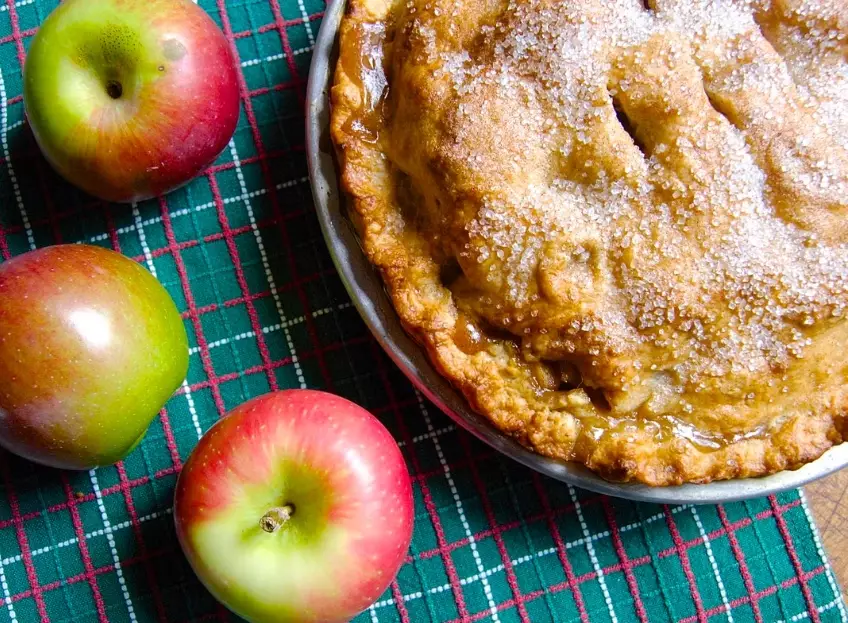
| Apple Variety | Texture (Raw) | Flavor Profile | Best For in Pie | My Quick Take |
|---|---|---|---|---|
| Granny Smith | Very Firm, Crisp | High Tartness, Low Sweetness | Structure, Tart Balance, Classic Pie | The reliable workhorse. Never lets you down. |
| Honeycrisp | Explosively Crisp, Juicy | Perfect Sweet-Tart Balance | Flavor, Juiciness (watch liquid!) | Delicious but can be wet. Pricey for baking. |
| Braeburn | Firm, Crisp | Spicy-Sweet, Mild Tartness | All-Rounder, Great Shape & Flavor | Underrated champion. Consistently excellent. |
| Northern Spy | Very Firm | Tart, Complex, Aromatic | Heirloom Perfection, Structure | Pie-baker's dream. Hunt for it in fall. |
| Jonagold | Firm, Slightly Tender | Sweet-Honeyed, Hint of Tart | Sweetness, Aromatic Filling | Professional baker favorite. A safe bet. |
| Pink Lady | Crisp, Dense | Tangy-Sweet, Bright | Modern All-Rounder, Holds Shape | Great modern choice. Widely available. |
How to Pick and Prep Your Good Pie Apples Like a Pro
Knowing the varieties is half the battle. The other half is handling them right from store to oven.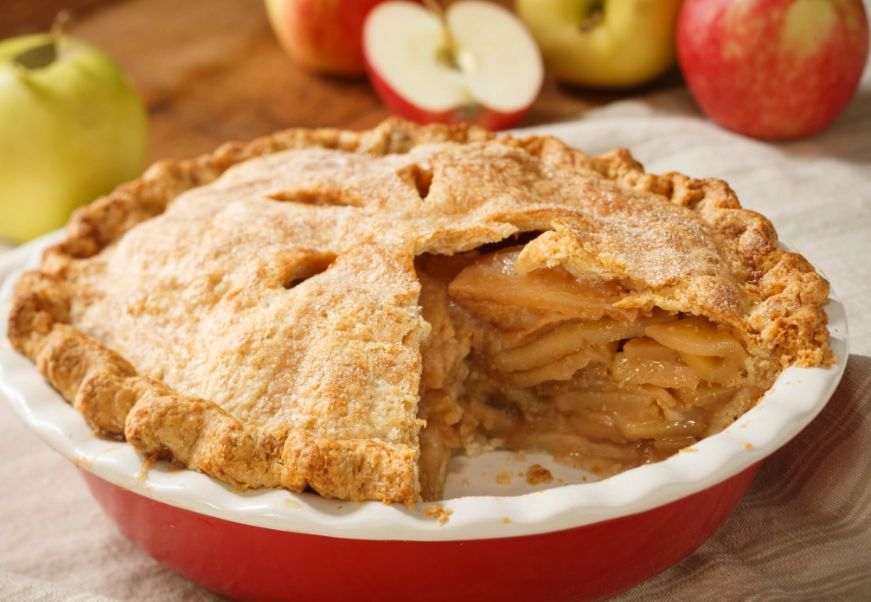
At the Store or Orchard: The Selection Test
Don't just grab a bag. Be picky. You want apples that feel heavy for their size—that's a sign of good moisture content. The skin should be tight, without major bruises or wrinkles (a few scuffs from the orchard are fine). Give it a firm press with your thumb; it should not yield easily. If it feels soft or mealy, it's past its prime for pie. For the most authoritative guidance on apple selection and storage, the USDA provides general fruit handling tips, and local agricultural extensions often have specific variety advice.
A mix is almost always better.
Seriously. Using two or three different types of good pie apples creates a more complex flavor and a more interesting texture. Try a 2:1 ratio of a firm, tart apple (like Granny Smith) to a sweeter, juicier one (like Honeycrisp or Jonagold). The tart ones provide structure and zing, the sweet ones provide depth and syrup. It's the easiest hack to level up your pie game.
Prepping: More Than Just Slicing
Peel them. I know, it's a chore. But apple peels can become tough and separate from the soft flesh during baking, creating unpleasant little ribbons in your filling. For a smooth, cohesive bite, take the time to peel. A good vegetable peeler is your best friend.
Slice thickness matters. Too thin, and they'll dissolve. Too thick, and they might not cook through evenly. Aim for consistent slices, about 1/4-inch thick. Some people swear by wedges; I find slices pack better and cook more uniformly.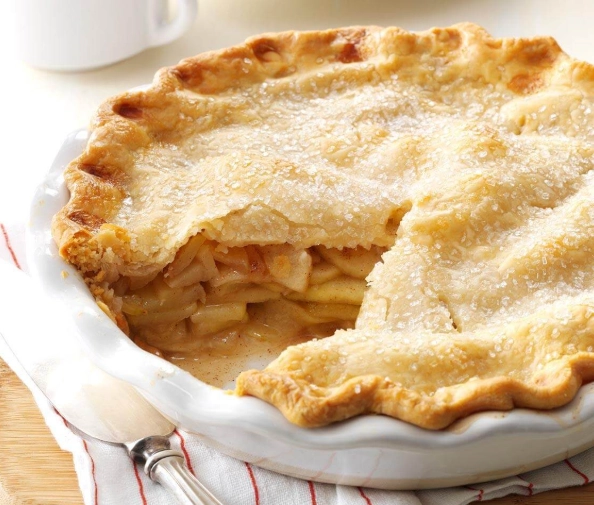
To pre-cook or not? Many professional recipes call for partially cooking the apples with sugar and spices before filling the pie. This drives off excess moisture upfront and ensures the apples are fully tender. I go back and forth on this. It's an extra step, but for very juicy apples, it can prevent a soggy bottom crust. For firm, dry-ish apples like Granny Smith, you can often get away with piling them in raw.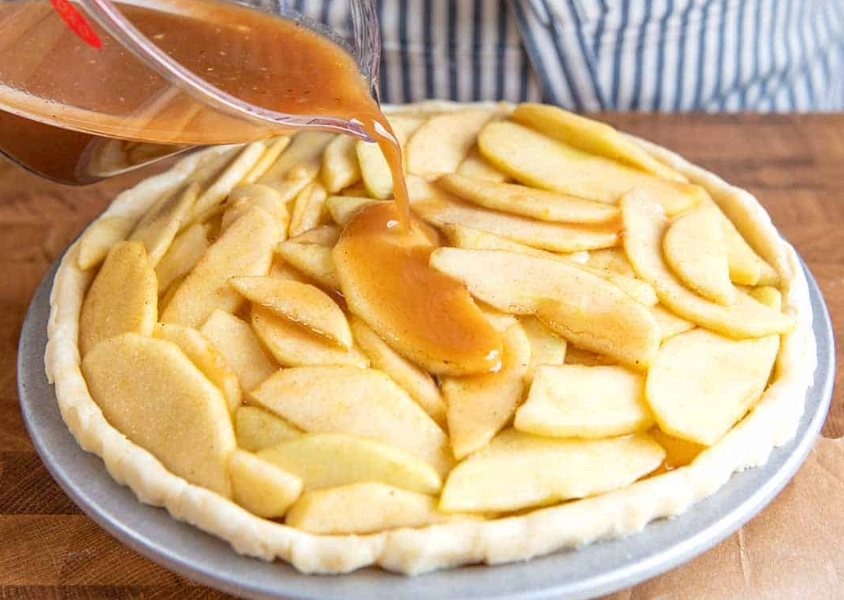
Your Pie Apple Questions, Answered (The Real Stuff Google Doesn't Always Tell You)
Q: Can I use whatever apples I have on hand?
A: You *can*, but you're playing pie roulette. Soft, mealy, or ultra-sweet eating apples (Red Delicious, Fuji, Gala) will likely turn to mush and make a one-note, overly sweet filling. The pie might be edible, but it won't be great. Stick to the firmer, balanced varieties for guaranteed results.
Q: Are "pre-packaged baking apples" at the store any good?
A: Sometimes. The problem is they're rarely labeled with the actual variety. It's often a mystery mix of whatever was cheap and reasonably firm. If you're in a pinch, they're better than using Red Delicious. But for a pie you're proud of, seek out named varieties. Knowledge is power.
Q: My apple pie is always watery. What am I doing wrong?
A: This is the #1 complaint. The culprits are usually: 1) Using a very juicy apple variety without adjusting thickener (cornstarch, flour, tapioca). 2) Not letting the pie cool completely before slicing (the filling needs hours to set!). 3) Skipping the step of tossing sliced apples with sugar and salt and letting them drain for 15-30 minutes before assembling. That draws out a lot of excess juice you can then discard or boil down.
Q: How many apples do I actually need for a standard 9-inch pie?
A: More than you think. After peeling and coring, you need about 6-8 cups of sliced apples. That's usually 2 to 2.5 pounds, or about 6-8 medium-large apples. Your pie dish should be heaping full of raw apples—they shrink a lot as they cook down.
Q: Is it worth seeking out heirloom varieties from a farmers' market?
A> Absolutely. Varieties like Ashmead's Kernel, Esopus Spitzenburg, or Newtown Pippin are often phenomenal for baking. Talk to the grower! They'll know which of their apples are the best good pie apples. The Washington Apple Commission website is a great resource for learning about different commercial varieties, but for heirlooms, local growers are the real experts.
Putting It All Together: A Simple Action Plan for Your Next Perfect Pie
Let's cut through the noise. Here's your straightforward path to pie success.
- Choose Your Apples: Pick at least one from the "Firm/Tart" list (Granny Smith, Northern Spy, Braeburn). For complexity, grab one from the "Sweet/Aromatic" list (Honeycrisp, Jonagold, Pink Lady). A 2:1 ratio is perfect.
- Prep Aggressively: Peel 'em. Slice them evenly, 1/4-inch thick. Toss immediately with a little lemon juice water.
- Macerate (The Secret Step): In a big bowl, toss your slices with 3/4 cup sugar and 1 tsp salt. Let sit for 30 minutes. Drain the collected juice into a saucepan, boil it down to a thick syrup, then pour it back over the apples. This concentrates flavor and controls juice.
- Season & Thicken: Toss the apples with your spices (cinnamon, nutmeg, etc.) and your thickener (I like 3 Tbsp cornstarch or 1/4 cup minute tapioca).
- Bake with Confidence: Pile high into your bottom crust. Dot with butter. Vent the top crust well. Bake on a preheated baking sheet to catch drips until the filling is bubbling actively through the vents—that's how you know the thickener has activated.
- WAIT: This is non-negotiable. Let the pie cool on a rack for at least 4 hours, preferably overnight. The filling needs this time to set. Cutting into a hot pie is a recipe for soup.
It sounds like a lot of steps, but most are just bowl-tossing and waiting. The active work is minimal. The payoff is maximal.
Final Slice: It's All About the Apple
At the end of the day, a great apple pie is a celebration of the fruit. The crust is important, the spices are lovely, but the apples are the star. Choosing the right ones—those truly good pie apples with the structure and character to shine—is what transforms baking from a chore into an act of creation.
Don't be intimidated by the choices. Start with a classic like Granny Smith or a reliable mix like Granny Smith and Braeburn. Pay attention to how they behave, how they smell as they bake, how the texture turns out. You'll develop a feel for it.
Your perfect pie is out there.
It's waiting in the crisp, firm flesh of the right apple variety. It's in the balance of tart and sweet on your tongue. It's in the satisfying slice that holds together on your fork. Now you have the map to find it. Go pick some good pie apples and get baking. Your next pie might just be your best one yet.
Reader Comments