You're halfway through a recipe that calls for a sweet onion—maybe a Vidalia, a Walla Walla, or a Maui. You open the pantry and stare at the familiar net bag of yellow onions. The question hits you: can I just use this instead? The short, practical answer is yes, you often can. But slapping a diced yellow onion into a dish built for sweetness is a gamble. Sometimes you win, sometimes you end up with a surprisingly sharp bite in your caramelized onion tart. I've been there. After years in home and professional kitchens, I've learned the swap is less about a simple yes/no and more about understanding a flavor negotiation.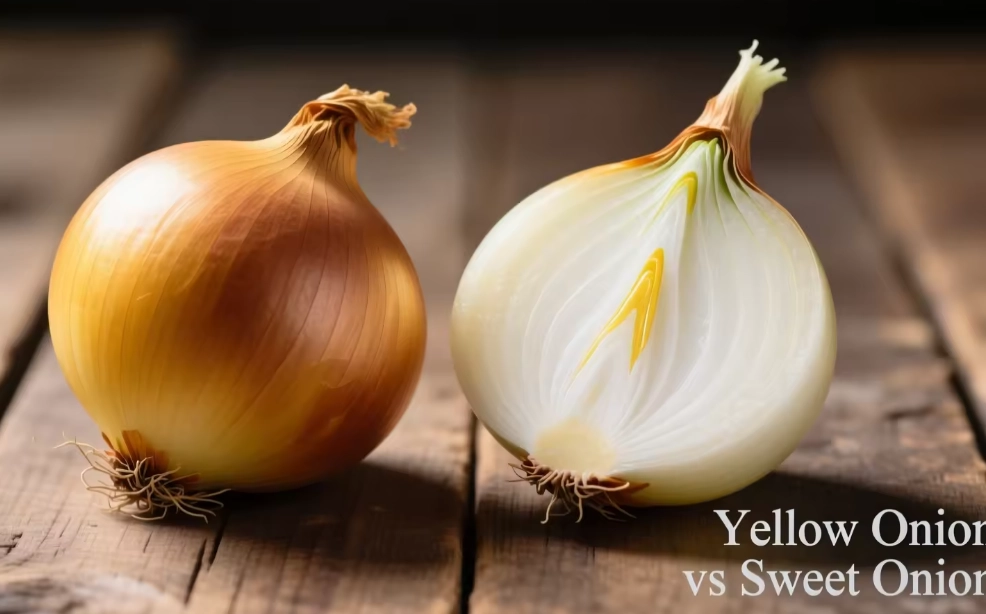
What You'll Find in This Guide
The Flavor and Texture Showdown: It's More Than Just Sugar
Think of onions on a spectrum from aggressive to gentle. On the far aggressive end, you have white onions, all pungent punch. On the gentle, sweet end, you have your Vidalias. Yellow onions sit firmly in the middle—the reliable workhorse. But calling sweet onions just "sweeter" misses the point. The difference is in the chemistry.
Sweet onions (Allium cepa, often specific cultivars) have two main advantages: lower pyruvic acid content and higher water content. Pyruvic acid is what makes your eyes water and gives raw onions their sharp, sulfurous kick. According to the USDA and various agricultural studies, Vidalia onions, for instance, are legally required to have a pyruvic acid level below a certain threshold to earn their name. That's science backing up their mildness.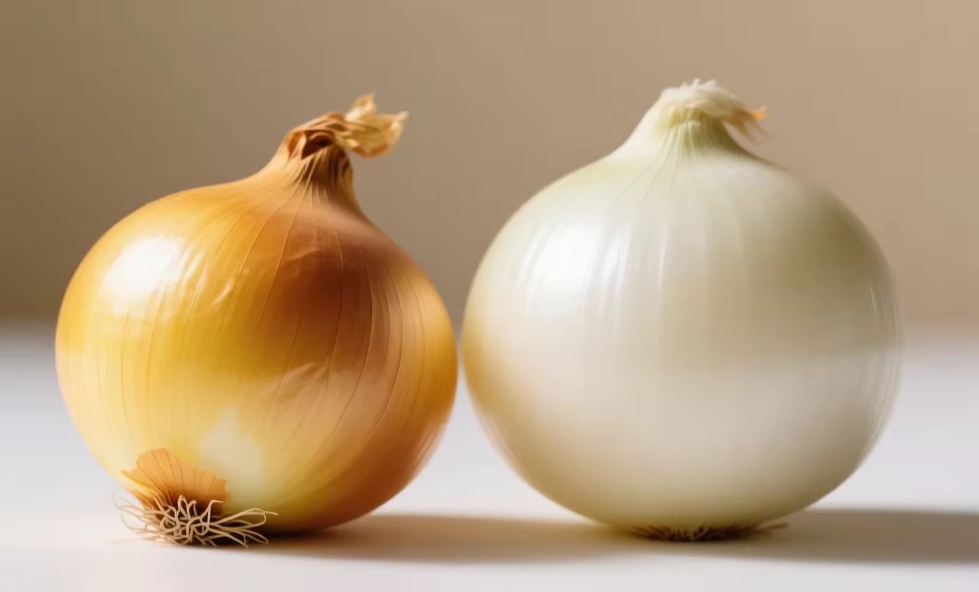
Yellow onions have more of that acid, hence more bite. They also have less water. This changes everything in the pan.
The Core Difference Most Recipes Don't Tell You: It's not just sweetness vs. sharpness. It's about moisture release and cooking time. A sweet onion will release more water as it cooks, which can dilute a sauce or slow down browning. A yellow onion will brown faster because it has less water to evaporate first. If you don't account for this, you can burn your onions or end up with a watery dish.
Side-by-Side: A Quick Reference
| Aspect | Yellow Onion (Standard) | Sweet Onion (e.g., Vidalia, Walla Walla) |
|---|---|---|
| Raw Flavor | Pungent, spicy, sharp. Makes eyes water. | Mild, juicy, distinctly sweet. Barely any bite. |
| Cooked Flavor | Becomes deeply savory, rich, umami-forward. | Becomes very sweet, almost fruity, with mild onion essence. |
| Texture (Raw) | Crisp, firm. | Extremely juicy, tender, almost apple-like. |
| Texture (Cooked) | Holds shape well, can become silky if cooked long. | Can become very soft, almost melting; may fall apart. |
| Best Used Raw In | Salsas, pickles (where bite is desired). | Salads, sandwiches, salsas, burgers. |
| Best Used Cooked In | Sauces, soups, stews, roasts, caramelizing (with care). | Grilling, roasting, caramelizing, onion rings, relishes. |
When Substitution Works (and When It Doesn't)
Let's get into the real-world scenarios. This is where your decision matters.
Go Ahead and Swap (The "Safe" Zone)
In these dishes, the onion is a background player, melding into a complex flavor base. The sharpness of a yellow onion will mellow significantly.
- Soups, Stews, and Braises: Think beef stew, chicken noodle soup, chili. The long, moist cooking process tames the yellow onion's fierceness completely, transforming it into a savory foundation. The flavor difference in the final dish is minimal.
- Slow-Cooked Sauces: A Bolognese sauce simmering for three hours doesn't care if you started with a yellow or sweet onion. It all breaks down into sweetness and depth.
- Meatloaf or Meatball Mix: The onion is finely diced or grated, cooked within the mixture. The other ingredients—meat, herbs, breadcrumbs—absorb and balance any extra sharpness.
Proceed with Caution (The "Adjustment Required" Zone)
Here, the onion's character is more prominent. A direct swap will change the dish's profile, but you can compensate.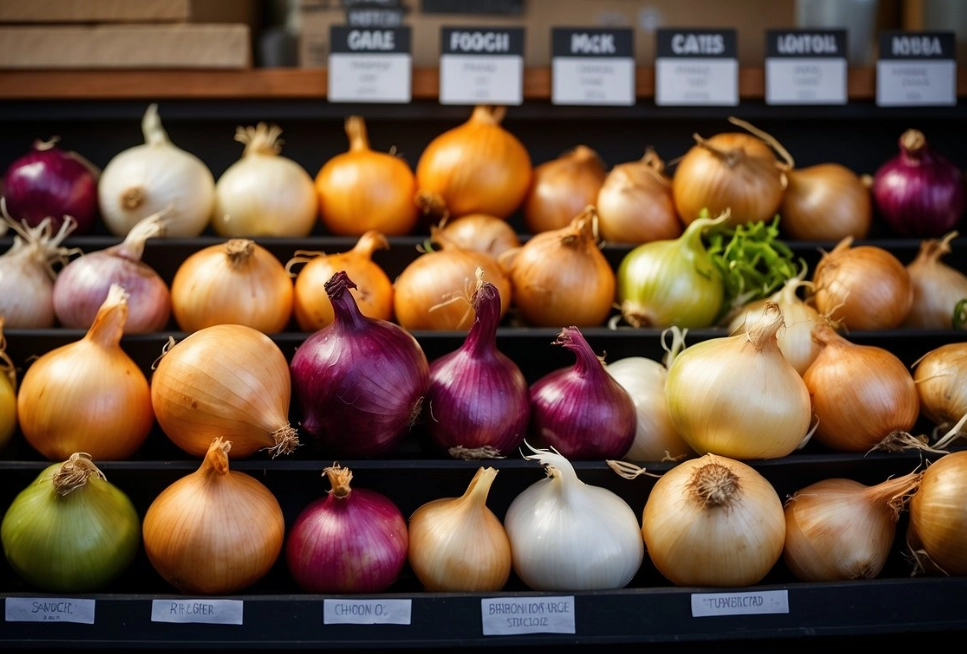
- Caramelized Onions: This is the big one. Yellow onions caramelize beautifully and often develop a deeper, more complex savory-sweetness than sweet onions. But: they have less natural sugar, so they may take a touch longer to truly sweeten, and you must be more patient to avoid burning. A tiny pinch of sugar can help bridge the gap if needed, but often it's not necessary.
- Stir-fries and Sautés: If the onion is a featured vegetable, not just an aromatic, you'll notice the sharper flavor. Quick-cooking means less time for the bite to mellow. Consider cutting the quantity slightly or adding a teaspoon of a sweet component (honey, mirin) to the sauce.
- Frittatas and Quiches: The onion flavor is front and center. Sauté your diced yellow onion until it's very soft and just starting to brown before adding it to the egg mixture. This pre-cooking is non-negotiable.
Just Don't Do It (The "No-Fly" Zone)
In these cases, the unique mild, juicy sweetness of a sweet onion is the star. Substituting fundamentally alters the dish.
- Fresh Salads and Salsas: Imagine a classic tomato, cucumber, and sweet onion salad. A raw yellow onion here would be harsh, overwhelming, and unpleasant. The dish would fail.
- Burgers & Sandwiches (raw): That crisp, sweet ring on a burger is there for refreshing contrast. A raw yellow onion slice can be too aggressive.
- Onion Rings: The appeal of a good sweet onion ring is the tender, sweet interior contrasting with the crispy coating. A yellow onion will be firmer and more pungent.
- Delicate Relishes or Chutneys where the recipe specifically calls for the mild sweetness of a Vidalia.
I once tried making a famous "Walla Walla Sweet Onion" dip for a party with a yellow onion. Even after cooking, the sulfurous edge lingered in an unappealing way. The guests politely ate it, but I knew. It was a lesson in respecting the ingredient.
How to Substitute Yellow Onion for Sweet Onion: A Step-by-Step Guide
Okay, you've decided to make the swap. Here's how to do it right, moving beyond a simple 1:1 cup replacement.
- Assess the Recipe's Onion Role. Is it a base aromatic (safe zone), a featured veg (caution zone), or the star (no-fly zone)? Your answer dictates your next steps.
- Consider a Slight Quantity Adjustment. If the recipe calls for one large sweet onion, use one medium yellow onion. Sweet onions are often larger and juicier, so by volume, a cup of diced sweet onion contains more water and less intense flavor than a cup of diced yellow onion.
- Pre-Cook More Aggressively. Never add raw diced yellow onion where the recipe assumes the mildness of a sweet onion. Take the extra 5-7 minutes to sauté it in your oil or butter until it's fully translucent, soft, and just taking on a pale golden color. This process drives off moisture and converts the sharp compounds into sweeter ones.
- Balance with a Touch of Sweetness (Optional). If you're still worried about a lack of sweetness—like in a relish or a quick pickle—add a small counterpoint. A teaspoon of sugar, maple syrup, or a splash of apple cider vinegar mixed with honey can round out the edges. Do this at the end of cooking and taste.
- Taste and Adjust at the End. This is the most human step. Before serving, taste the dish. Does the onion flavor integrate, or does it stick out? If it's too sharp, a tiny bit of acid (lemon juice) or fat (a pat of butter) can often help smooth it over more effectively than adding more sugar.
What About Other Onion Varieties?
The yellow vs. sweet question is just one part of the onion drawer puzzle.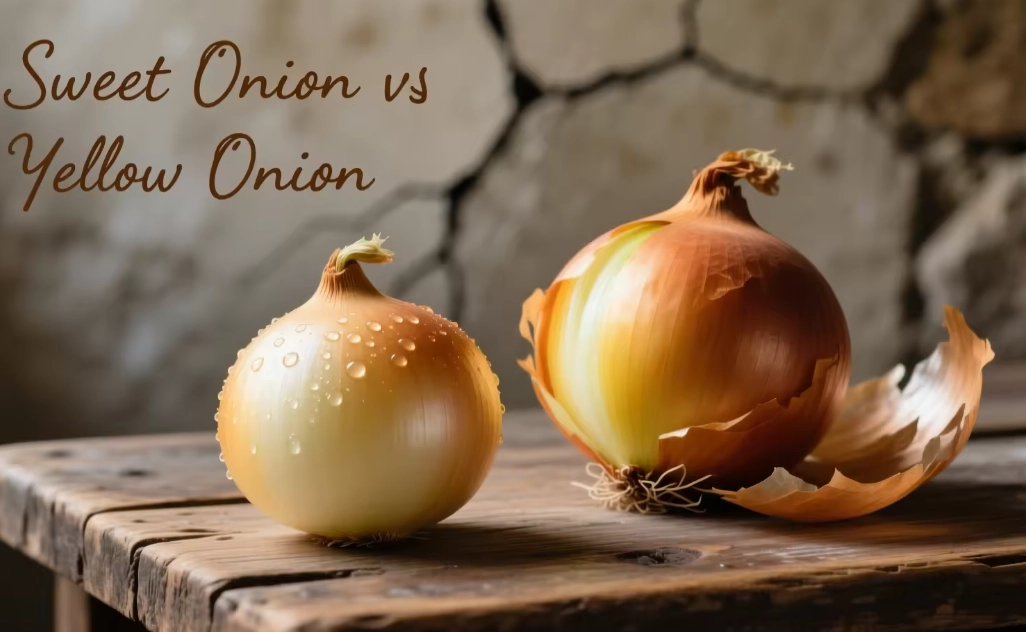
- Red Onions: Their color and mild sharpness make them best for pickling and eating raw. They can sometimes sub for sweet onions in raw applications if you soak the slices in ice water for 10 minutes to tame the bite, but they lack the same sugar content.
- White Onions: The sharpest common onion. Use them in Mexican cuisine or where a clean, pungent bite is desired. I wouldn't recommend them as a sweet onion substitute.
- Shallots: More delicate and refined than yellow onions. They're a fantastic aromatic but expensive. Not a direct substitute for the bulk of a sweet onion.
- Scallions (Green Onions) & Leeks: These are from different species (Allium fistulosum and Allium ampeloprasum). They provide green, mild flavor but not the body or caramelizing quality of a bulb onion.
Your Onion Substitution Questions, Answered
You can try a brining method. Soak the onion rings in a mixture of buttermilk, a tablespoon of sugar, and a pinch of salt for at least an hour, preferably overnight in the fridge. The buttermilk tenderizes and the sugar adds sweetness. They won't be identical to sweet onion rings, but they'll be much milder and still delicious.
Possibly a bit longer, yes. Yellow onions have less sugar and more pyruvic acid to break down. The key is low, slow heat. Don't rush it by turning up the flame. The browning (Maillard reaction) provides plenty of complex sweetness. Start with the recommended time, but expect to add an extra 10-15 minutes of gentle cooking to achieve that deep, jammy consistency and flavor.
 Can I substitute sweet onion for yellow onion in a French onion soup?
You can, but classic French onion soup relies on the deep, savory, almost beefy umami that a long-cooked yellow onion provides. Sweet onions will make a soup that is, unsurprisingly, sweeter and less complex. It will taste good, but different—more like an onion dessert soup. For authenticity, stick with yellow.
Skip the bulb onion altogether. Use the white and light green parts of scallions (green onions), very thinly sliced. They provide a mild, fresh onion flavor without the harshness. Alternatively, a very small amount of finely minced shallot can work.
Yellow onions win hands down. Their thicker, papery skin and lower water content give them a much longer shelf life—up to 2-3 months in a cool, dark, dry place. Sweet onions, with their high water content and thinner skins, are more perishable. Store them in the refrigerator's crisper drawer and use them within a few weeks. This practicality is a major reason yellow onions are the kitchen staple.
Reader Comments