
Cherries in a savory dish? If that sounds strange, you're missing out on one of the most versatile and exciting flavor tricks in cooking. We automatically think of cherries in pies, jams, or clafoutis, relegating them to the dessert corner. But their complex profile – a dance of sweet, tart, and sometimes even a hint of almond – makes them a secret weapon for savory applications. This isn't about making a slightly less sweet sauce; it's about unlocking a new dimension of flavor that cuts through richness, balances saltiness, and adds a sophisticated touch to everything from weeknight chicken to gourmet cheese boards. Forget what you know about cherry recipes. Let's talk about how to cook with cherries in a way that will surprise your palate and impress anyone at your table.
What's Cooking in This Guide?
What Are Savory Cherry Recipes?
Simply put, these are dishes where cherries play a supporting, flavor-enhancing role alongside savory ingredients like meats, cheeses, grains, and herbs. The goal isn't dessert-like sweetness. The goal is balance. Imagine a rich, seared duck breast. Its fat needs something to cut through it. A tart cherry and red wine reduction does that perfectly, adding a fruity acidity that brightens the whole plate. Or think of a sharp, aged cheddar. A spoonful of cherry mostarda (a spicy Italian condiment) alongside it creates a flavor explosion – sweet, spicy, tangy, and savory all at once.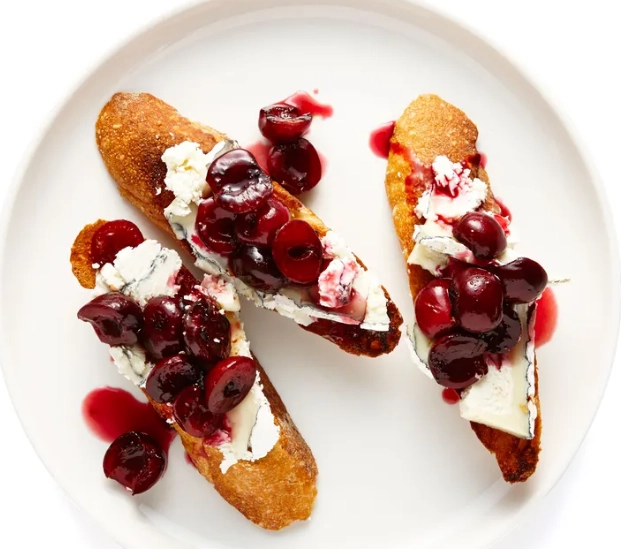
The magic happens when the cherry's natural sugars caramelize and mingle with savory elements like garlic, thyme, balsamic vinegar, or black pepper. It creates a depth that's hard to achieve with other fruits. I learned this the hard way years ago at a friend's barbecue. They served grilled pork chops with a jarred, overly sweet cherry sauce. It was cloying and one-dimensional. The pork got lost. That experience sent me down a rabbit hole of figuring out how to do it right – balancing the sweet with ample acid, salt, and aromatics.
How to Choose Cherries for Savory Cooking
Not all cherries are created equal for savory purposes. Your choice here dramatically affects the final dish's balance.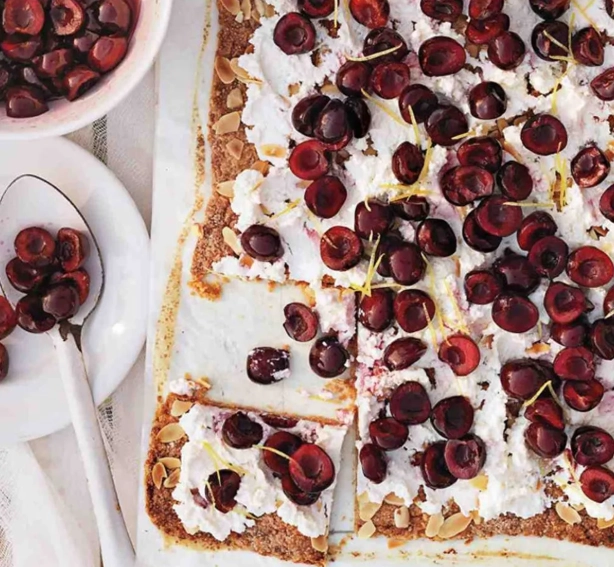
Here’s a quick breakdown of the common types and their best savory uses:
| Cherry Type | Flavor Profile | Best For Savory... | Personal Take |
|---|---|---|---|
| Montmorency (Tart/Morello) | Bright, sharp, distinctly sour. | Sauces for duck, pork, game. Chutneys. Braising liquids. They hold their shape and tartness well when cooked. | My absolute go-to. Their punchy acidity is a built-in flavor booster. If you can only get one type for savory cooking, make it this. |
| Bing (Sweet) | Deep, rich, very sweet. | Fresh applications like salsas or salads where you want pops of sweetness. Use sparingly in cooked sauces and always balance with extra acid (vinegar, lemon juice). | Can be too sweet if used alone in a sauce. I often mix them 50/50 with a tart variety for complexity. |
| Rainier | Exceptionally sweet, mild, with a creamy-yellow blush. | Almost exclusively for fresh, uncooked preparations where their delicate sweetness and color are showcased. | Beautiful in a fresh relish with jalapeño and cilantro for fish tacos. Don't cook them down—they'll turn to mush and lose their charm. |
| Frozen Pitted Tart Cherries | Consistently tart, available year-round. | Any cooked application—sauces, braises, compotes. The texture after thawing is perfect for breaking down into a sauce. | A kitchen lifesaver. The quality from brands like Cherry Bay Orchards or those found at major retailers is excellent for cooking. Don't hesitate. |
A common pitfall I see is someone grabbing whatever looks plump at the store, usually Bings, and then wondering why their pan sauce tastes like dessert topping. Start with the right cherry, and you're halfway there.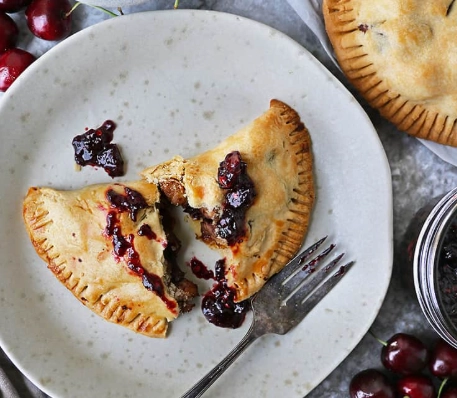
Top 3 Savory Cherry Recipes to Master
Let's move from theory to practice. These three recipes cover different techniques and meal occasions, giving you a solid foundation.
1. The Weeknight Hero: Balsamic Cherry & Thyme Chicken Skillet
This is your gateway recipe. It's fast, uses one pan, and delivers restaurant-level flavor. The cherries break down into a glossy, savory-sweet sauce that clings to the chicken.
The Method (Simplified):
Season chicken thighs (bone-in, skin-on for best flavor) and sear them skin-side down until golden and crisp. Remove. In the same pan, sauté a minced shallot in the chicken fat. Add 1.5 cups of pitted tart cherries, 1/3 cup of good balsamic vinegar (not the syrupy cheap kind), and a few sprigs of fresh thyme. Let it bubble and reduce by half. The vinegar will sharpen the cherries. Return the chicken to the pan, nestle it in, and finish cooking in the oven at 375°F (190°C) until done. Finish with a knob of cold butter swirled in off the heat for silkiness. Key move: Use fresh thyme, not dried. The floral, earthy notes of fresh thyme pair with cherries in a way dried simply can't replicate.
2. The Crowd-Pleaser: Savory Cherry & Jalapeño Salsa
No cooking required. This is about texture and fresh, bright flavors. It's incredible on grilled fish (like salmon or halibut), pulled pork tacos, or as a dip with sturdy corn chips.
Dice 1.5 cups of fresh Bing or Rainier cherries. Mix with 1/4 cup of finely diced red onion, 1 minced jalapeño (seeds removed for less heat), the juice of 1 lime, a handful of chopped cilantro, and a pinch of salt. Let it sit for 15 minutes. The salt draws out the cherry juices, creating a light, fruity dressing. The jalapeño provides a clean heat that doesn't overwhelm the fruit. I've brought this to countless summer potlucks, and it's always the first thing to disappear. People are genuinely surprised by the combination.
3. The Showstopper: Cherry & Port Wine Reduction for Red Meat
This is for a special occasion—a steak, a rack of lamb, or venison. It feels luxurious but is straightforward. The port adds a rich, raisiny depth that complements the cherries.
In a saucepan, combine 1 cup of ruby port and 1 cup of low-sodium beef broth. Add 1 cup of frozen tart cherries, 1 tablespoon of chopped shallot, and a few black peppercorns. Simmer until reduced to about 2/3 cup and slightly syrupy. Strain out the solids (optional, but gives a smoother sauce). Return the liquid to the pan, whisk in a teaspoon of Dijon mustard and any accumulated juices from your resting meat. Finish by swirling in a tablespoon of cold butter. The result is a deep, complex, glossy sauce that's tangy, fruity, and utterly savory. It beats any store-bought steak sauce by a mile.
Pro Tips and Common Mistakes
After testing dozens of savory cherry recipes, here are the subtle details that make a big difference.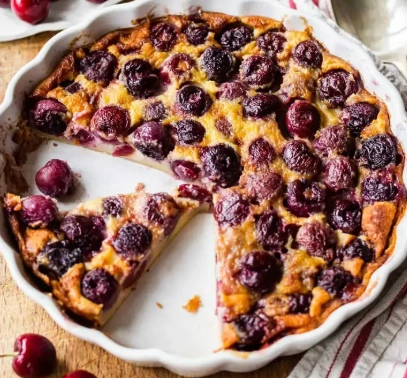
- Pit Thoroughly: This seems obvious, but a single missed pit can ruin a bite. Use a proper cherry pitter. For a small quantity, a chopstick or the tip of a vegetable peeler through the stem end works.
- Balance is Everything: Taste your sauce or dish as you go. Too sweet? Add a splash of red wine vinegar or lemon juice. Too tart? A tiny pinch of sugar or a drizzle of honey can round it out, but go easy. Salt is your best friend here—it amplifies all the other flavors.
- Don't Overcook Fresh Cherries in Salads/Salsas: If you're using them fresh, add them at the very end. They soften quickly and lose their appealing pop.
- Embrace the Freezer Aisle: For cooked sauces, frozen tart cherries are often superior to out-of-season fresh ones. They're picked and frozen at peak ripeness, and you don't have to pit them.
The biggest mistake is treating the cherry like a sweetener. It's not sugar. It's a complex fruit that needs to be balanced within the savory ecosystem of your dish.
Your Savory Cherry Questions Answered
The world of savory cherry recipes is vast and under-explored. It moves this wonderful summer fruit from the end of the meal right into its heart. Start with the chicken skillet. Get comfortable balancing those flavors. Then, experiment. Toss a handful of cherries into your next grain bowl, or make a quick relish for your grilled sausage. Once you break the sweet-only association, you'll find yourself reaching for that bag of cherries every time you want to add a note of surprising, sophisticated flavor to your cooking.
Reader Comments