Harvesting pickling cucumbers at the right moment is the difference between crisp, tangy pickles and a soggy, bitter disappointment. If you've ever bitten into a pickle that lacked that satisfying crunch, you know exactly what I mean. After growing cucumbers for over a decade, I've seen too many gardeners miss the sweet spot by just a day or two. Let's cut straight to the chase: the ideal time to harvest is when cucumbers are 2 to 4 inches long, firm to the touch, and a uniform dark green color, typically picked in the cool morning hours. But there's a lot more nuance to it, and getting it wrong can ruin your entire batch. In this guide, I'll walk you through everything from spotting the first signs of readiness to avoiding the subtle errors that most beginners don't even know they're making.
What You'll Learn in This Guide
Why Timing Matters for Pickling Cucumbers
Timing isn't just about getting cucumbers off the vine; it's about preserving texture and flavor. Pickling cucumbers are bred for crispness, and that crispness peaks at a specific stage of growth. Harvest too early, and they might be underdeveloped and lack flavor. Harvest too late, and they become seedy, pithy, and bitter. I learned this the hard way my first season. I left a few cucumbers on the vine an extra week, thinking bigger was better. The result? Pickles so bitter we couldn't eat them. The bitterness comes from compounds like cucurbitacin, which increase as cucumbers mature. According to resources from university extension services, such as the University of Minnesota Extension, harvesting at the right size ensures optimal moisture content and cell structure for brining. It's a science, but one you can master with a little observation.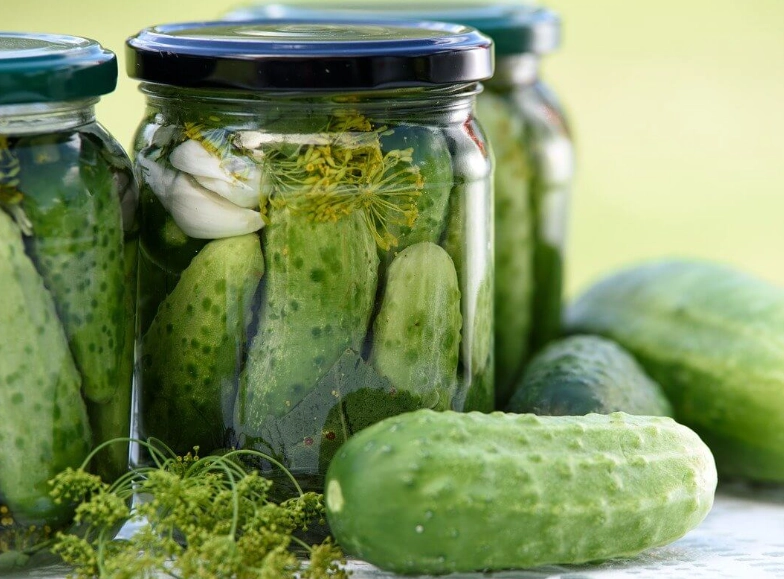
The Science Behind Cucumber Ripeness
Cucumbers are about 95% water, and that water content shifts as they grow. Younger cucumbers have tighter cells, which hold up better during pickling. As they age, the cells expand and weaken, leading to soft pickles. The ideal harvesting window is when the cukes are mature but not overripe—usually 50 to 60 days after planting, depending on the variety. For example, 'Boston Pickling' cucumbers might be ready sooner than 'National Pickling'. I keep a garden journal to track planting dates, which helps me anticipate harvest times. It's a simple trick that saves a lot of guesswork.
How to Tell When Pickling Cucumbers Are Ready to Harvest
You don't need fancy tools to know when to pick. Your eyes and hands are your best instruments. Here's what to look for, based on years of trial and error.
Visual Cues: Size and Color
Size is the most obvious indicator. Most pickling varieties are best at 2 to 4 inches in length. For reference, that's about the size of your thumb or a small sausage. But don't just rely on length alone. Color is equally important. A ripe pickling cucumber should be a consistent, deep green without any yellowing. Yellow patches are a red flag—they signal overripeness and impending bitterness. I've noticed that some varieties, like 'Kirby', might have slight ridges, but the skin should still be smooth and unblemished. If you see the blossom end (the opposite end from the stem) starting to swell or turn yellow, it's past its prime. Harvest immediately or compost it.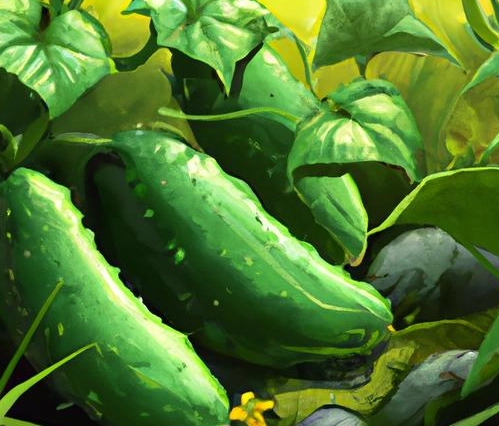
The Touch Test: Firmness and Texture
Gently squeeze the cucumber. It should feel firm and solid, not soft or spongy. A slight give is okay, but if it yields easily under pressure, it's probably overripe. The skin should be taut, not wrinkled. Run your fingers over it; it should feel slightly bumpy but not coarse. One nuance many guides miss: check the stem attachment. If the cucumber detaches with a gentle twist, it's ready. If it resists, give it another day. I've found that cucumbers harvested with a clean cut tend to store better, but the twist test is a good field indicator.
The Best Time of Day to Harvest Cucumbers
Timing isn't just about the plant's age; it's about the clock. Always harvest in the early morning, right after the dew dries but before the sun gets hot. Why? Cucumbers are full of water, and harvesting in the cool morning ensures they're crisp and hydrated. If you pick in the afternoon heat, they can become limp and lose moisture, affecting pickle texture. I made this mistake once—harvested at noon on a hot July day, and the cucumbers were wilted by the time I got them inside. Morning harvests also reduce stress on the plant, allowing it to recover during the day. Aim for between 7 AM and 10 AM, depending on your climate. If you can't do mornings, late evening is a second-best option, but avoid the midday sun at all costs.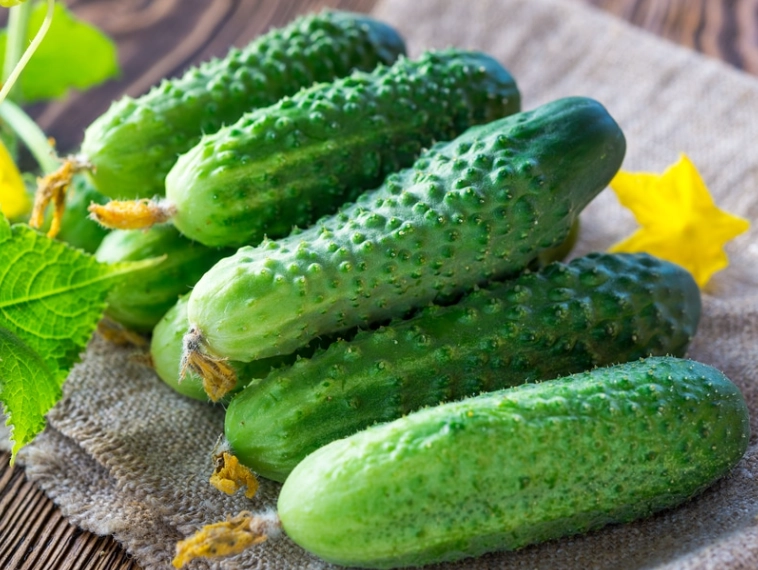
Common Mistakes and How to Avoid Them
Even experienced gardeners slip up. Here are the top errors I've seen and how to steer clear.
Harvesting Too Late: The Bitterness Problem
The biggest blunder is waiting too long. As cucumbers mature, they develop seeds and a bitter taste. Once they turn yellow, it's too late—the bitterness is locked in. I've talked to neighbors who thought bigger cucumbers meant more pickle yield, but that's a myth. For pickling, smaller is better. Another subtle mistake: not harvesting frequently enough. Pickling cucumbers grow fast, sometimes an inch per day in peak season. Check your plants every day or two. If you skip a weekend, you might come back to oversized, unusable cukes. Set a reminder on your phone if you have to. It sounds obsessive, but it saves waste.
Improper handling after harvest is another pitfall. Don't toss cucumbers into a bucket where they can bruise. Bruising leads to soft spots and spoilage. Use a shallow basket or tray, and handle them gently. I once saw a friend dump a harvest into a plastic bag, only to find half were damaged. Also, avoid washing cucumbers right after picking if you're not pickling immediately. Moisture can promote mold. Instead, wipe them clean with a dry cloth and store in a cool, ventilated place.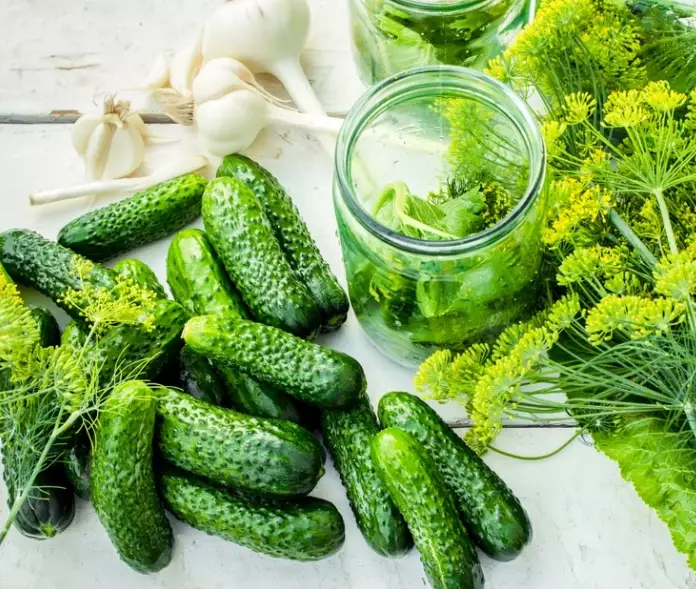
Step-by-Step Harvesting Guide
Let's break down the process into actionable steps. Assume you're in your garden on a typical summer morning.
Step 1: Gear Up. You'll need a sharp pair of pruning shears or a knife, a shallow container (like a basket or tray), and maybe gloves if your vines are prickly. I prefer shears because they make a clean cut without tugging on the vine.
Step 2: Inspect Each Cucumber. Start at one end of the row and work systematically. Look for cucumbers that meet the size and color criteria—2-4 inches, dark green, firm. Lift the leaves; some cukes hide underneath. I've missed plenty by rushing.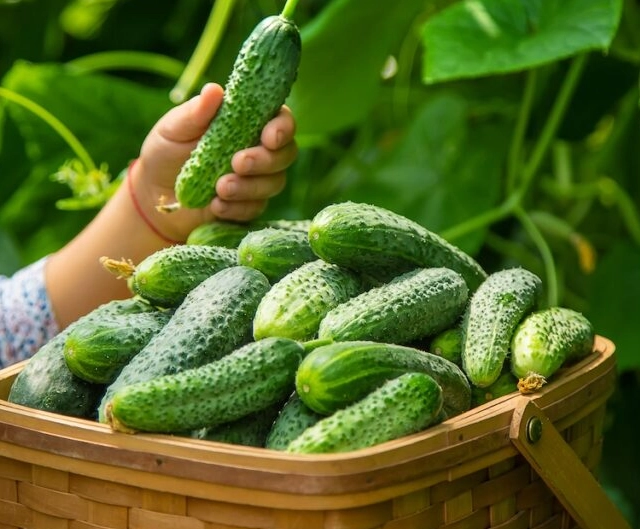
Step 3: Cut, Don't Pull. Position your shears about a quarter-inch above the cucumber, on the stem. Snip cleanly. Pulling or twisting can damage the vine and reduce future yields. If the stem is tough, use a knife. I keep a small knife in my pocket for stubborn stems.
Step 4: Handle with Care. Place each cucumber gently in your container, avoiding piles. Don't stack them more than two layers deep to prevent crushing.
Step 5: Immediate Processing. For the best pickles, process cucumbers within a few hours of harvesting. If you must wait, store them in a refrigerator, but don't let them sit more than a day. The crispness degrades quickly.
I recall a season where I harvested a batch and left them on the counter overnight. By morning, they'd lost their snap. Now, I always pickle or refrigerate right away.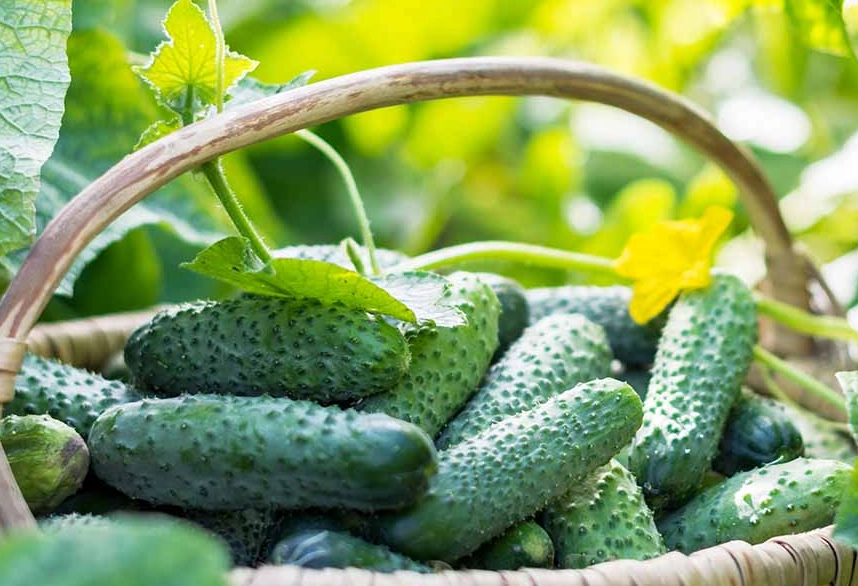
Reader Comments