Let's be honest. Most "authentic orange chicken recipes" you find online are compromises. They promise takeout glory but deliver soggy, overly sweet, or bland imitations. The real version, the one with that signature crackly-crisp coating clinging to a glossy, tangy-sweet sauce, hinges on a few non-negotiable techniques. After years of testing and a few disappointing batches (my first attempt was a sticky, pale mess), I've nailed down the process. This isn't just a recipe; it's a blueprint for bypassing the takeout line forever.
What You'll Learn Inside
The Non-Negotiable Ingredients for Authentic Flavor
You can't build a great dish with mediocre parts. This table breaks down why each component is critical and what happens if you skip or substitute poorly.
| Ingredient | Authentic Purpose | Common Pitfall |
|---|---|---|
| Boneless, Skinless Chicken Thighs | Stays juicy through double-frying. Breast meat dries out. | Using chicken breast results in a dry, stringy interior. |
| Fresh Orange Zest & Juice | Zest provides potent citrus oils; fresh juice has brightness. Bottled juice tastes flat. | Relying only on bottled juice yields a one-dimensional, candy-like sauce. |
| Rice Vinegar (or Distilled White) | Provides the essential sharp "tang" to cut the sweetness. | Substituting balsamic or apple cider vinegar alters the flavor profile drastically. |
| Cornstarch (Not Flour) for Coating | Creates that ultra-crispy, glass-like shell that sauce clings to. Flour makes a softer, doughy crust. | A flour-based coating becomes soggy within minutes of saucing. |
| Dried Red Chili Peppers | Adds a subtle, background warmth, not overt heat. It's about depth. | Omitting them leaves the sauce cloyingly sweet without complexity. |
Notice there's no "orange chicken sauce" bottle on that list. That's the point. The magic is in the combination.
Why Marinating Matters (And What to Avoid)
Many recipes tell you to marinate chicken in soy sauce and ginger. For this dish, I disagree. Here's my non-consensus take: A wet marinade is your enemy.
When you coat wet chicken in cornstarch, it creates gloopy patches that fry unevenly. Instead, we use a dry-brine.
- Cut 1.5 lbs of chicken thighs into 1-inch cubes.
- Toss them with 1 teaspoon of salt and 1/2 teaspoon of white pepper.
- Let it sit for 20 minutes. This seasons the meat deeply and helps it retain moisture without adding surface liquid.
Pro Tip: After salting, pat the chicken completely dry with paper towels. Any remaining surface moisture will steam the coating instead of letting it fry crisp.
The Double-Fry Secret to Eternal Crispiness
This is the single most important technique for authentic texture. The first fry at a lower temperature cooks the chicken through and sets the coating. The second, hotter fry creates an impervious, crunchy shell that can withstand the sauce.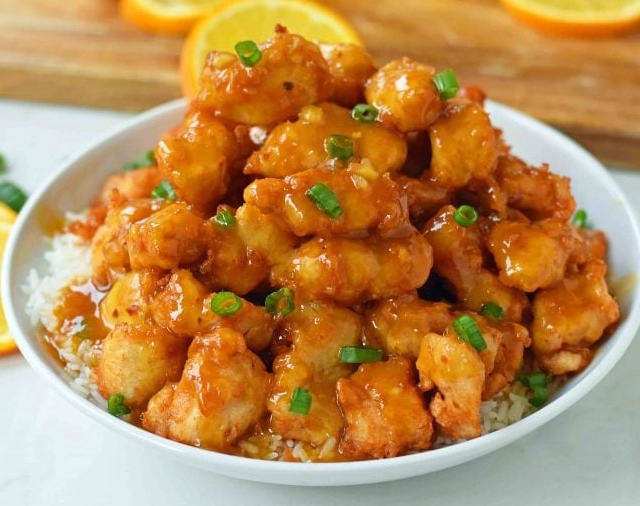
Step-by-Step Frying Process
First Fry (The Cook): Heat 3 inches of neutral oil (like peanut or vegetable) in a wok or Dutch oven to 300°F (150°C). While it heats, toss your dry-brined chicken in a generous 3/4 cup of cornstarch until every piece is thoroughly, dusty-white coated. Fry in batches for 3-4 minutes until lightly golden and cooked through. Remove to a wire rack set over a sheet pan. Let it rest for at least 5 minutes. This rest is crucial—it lets the internal steam escape so the second fry focuses on crunch.
Second Fry (The Crisp): Crank the oil heat to 375°F (190°C). Fry the chicken again in batches for 45-60 seconds until deep golden brown and incredibly crisp. It should sound hollow and hard when tapped. Back onto the rack. This double-fried chicken will stay crisp for a shockingly long time, giving you a wide window to make the sauce.
The Big Mistake: Frying all the chicken at once. It drops the oil temperature too much, leading to greasy, soggy chicken. Be patient with batches.
Sauce Alchemy: Balancing Sweet, Sour, and Savory
While the chicken rests after its second fry, make the sauce. This happens fast, so have everything measured and by the stove.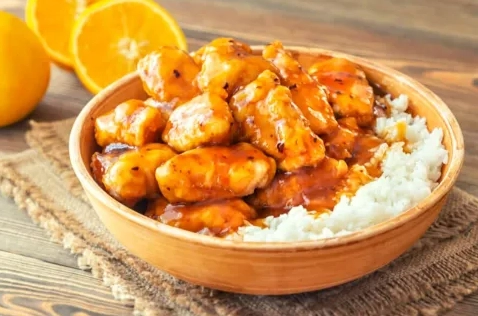
- In a small bowl, whisk together 1/2 cup fresh orange juice, 1/4 cup rice vinegar, 3 tablespoons soy sauce, 1/3 cup light brown sugar, and 1 teaspoon grated fresh ginger.
- In another tiny bowl, make a "slurry" with 1 tablespoon cornstarch and 2 tablespoons water.
In a clean wok or large skillet, heat a tablespoon of oil over medium. Add 2-3 dried whole red chilies and the zest of one large orange (about a tablespoon). Stir for 30 seconds until fragrant. Pour in the orange juice mixture and bring to a simmer.
Here's the key moment: give the cornstarch slurry another stir and drizzle it into the simmering sauce while stirring constantly. The sauce will thicken to a glossy, syrupy consistency in about 60 seconds. Remove it from the heat immediately. Over-thickening makes it gluey.
Taste it. It should be a bold balance—bright orange tang upfront, followed by sweet, then savory, with a whisper of heat. Adjust with a pinch more sugar or a splash of vinegar if needed.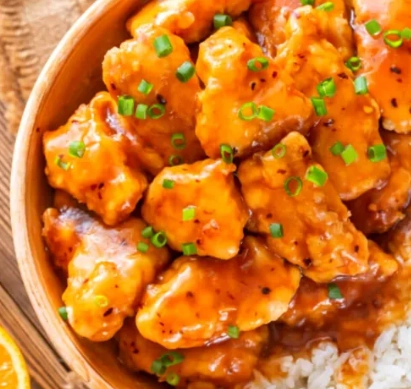
Final Assembly Mastery
You have perfect crisp chicken and glossy sauce. Now, don't ruin it by drowning the chicken in the pan.
Add all the double-fried chicken back into the empty wok (no heat). Pour the warm sauce over the top. Using a swift folding motion, toss until each piece is just lightly coated. The goal is a sheen, not a pool of sauce at the bottom of the wok.
Serve immediately over steamed jasmine rice, garnished with thinly sliced green onions and a few more orange zest threads. The chicken should still audibly crunch when you bite into it, even with the sauce on it. That's the authentic experience.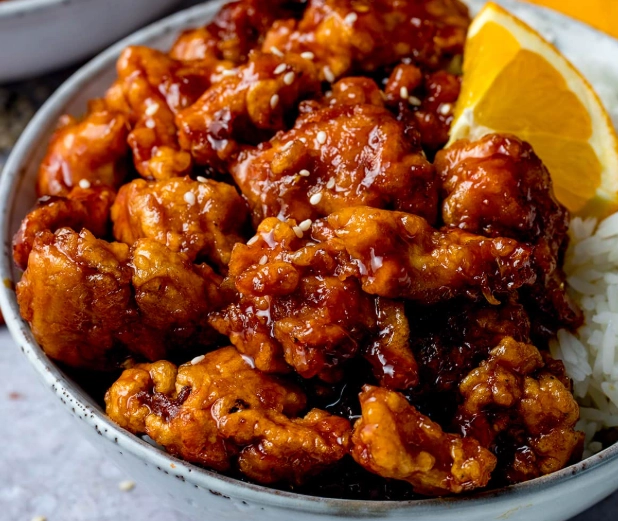
Your Orange Chicken Questions, Answered
Can I make authentic orange chicken ahead of time for a party?
You can prep components. Double-fry the chicken completely and let it cool on the rack. Store it uncovered at room temperature for a few hours. The sauce can be made and refrigerated. Right before serving, re-crisp the chicken in a 400°F oven for 5 minutes, gently reheat the sauce, and combine. This works far better than trying to reheat sauced chicken, which turns soggy.
Why is my orange chicken sauce not as vibrantly orange or glossy as the restaurant's?
Two reasons. First, color: many restaurants use a tiny drop of red or yellow food coloring to amplify the orange hue from the juice and zest. You can do this, but I find fresh zest provides a natural vibrancy. Second, gloss: the cornstarch slurry is responsible. If your sauce is dull, you may have added the slurry to a boiling sauce (it can break) or didn't stir constantly, causing lumps. A perfect slurry-thickened sauce is naturally glossy.
Is baking or air frying a good alternative for a healthier authentic orange chicken?
For a truly authentic texture, no. Baking or air frying will not produce the same blisteringly crisp, porous crust created by submersion in hot oil, which is essential for sauce adhesion. You'll get a drier, harder crust. If health is a priority, focus on using high-quality oil and draining the chicken well on a rack. The double-fry method, while using oil, actually results in less greasy chicken because the sealed crust prevents oil absorption during the second fry.
My sauce always turns out too sweet or too sour. How do I find the right balance?
Balance is personal, but start with the classic ratio: equal parts sweet (sugar/honey) and sour (vinegar) by volume, backed by the savory of soy sauce. If it's too sweet, don't just add vinegar—it will taste disjointed. Instead, add a splash of vinegar and a equal splash of water or unsalted chicken broth to dilute the sweetness without overpowering sourness. If too sour, add sweetness in small increments. Remember, the salt from the soy sauce and chicken also balances sweetness.
What's the best side dish to serve with orange chicken besides rice?
Steamed broccoli is the classic for a reason—its mild bitterness and texture contrast the rich, sweet chicken. For a more complete meal, try a quick cucumber salad (sliced cucumbers tossed with rice vinegar, a pinch of sugar, and sesame seeds) or sautéed bok choy with garlic. The freshness cuts through the dish's richness.
Reader Comments