Quick Bite
- What Actually Makes an Apple "Good" for Pie?
- The Top Tier: Your Go-To List of Good Pie Apples
- The Art of the Mix: Why One Apple Rarely Wins the Game
- Apples to Approach with Caution (The "Not-So-Good" Pie Apples)
- Your Pie, Your Choice: Matching Apples to Pie Style
- Pro Tips & Tricks: From Selection to Oven
- Answering Your Apple Pie Questions (FAQs)
- Wrapping It All Up: Your Pie Apple Confidence
Let's be honest. You've probably stood in the grocery store, staring at a pile of shiny Red Delicious apples, and wondered, "Are these good pie apples?" I've been there too. You bring them home, slice them up, and after an hour in the oven, you're left with a sad, watery, flavorless mush where a glorious pie should be. It's a baking heartbreak we can all avoid.
The truth is, not all apples are created equal when it comes to pie. The quest for good pie apples isn't about finding the shiniest or the cheapest. It's a hunt for specific qualities—a certain bravery to hold its shape under heat, a boldness of flavor that won't fade into sugar, and a texture that walks the fine line between tender and firm. It's what separates a forgettable dessert from the kind of pie people ask you to make every Thanksgiving.
So, what are good pie apples, really? We're going to move past the basic lists you see everywhere and dig into the why. Why does a Granny Smith work? Why does a McIntosh sometimes fail? We'll talk flavor profiles, texture science, and even some personal triumphs and disasters from my own kitchen. By the end, you'll be able to walk into any market or orchard and pick your champion with total confidence.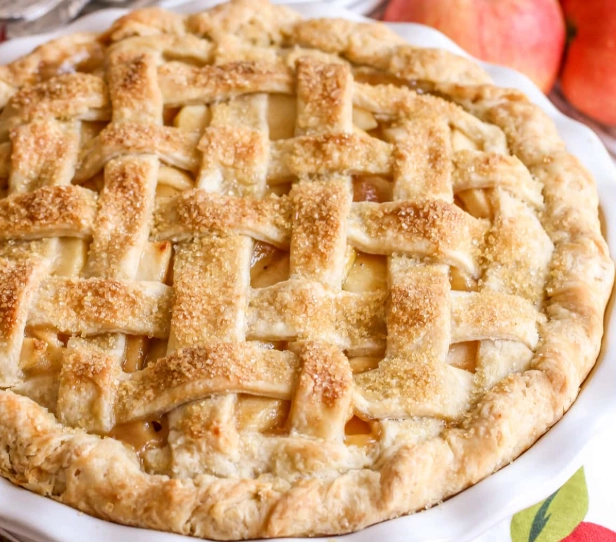
What Actually Makes an Apple "Good" for Pie?
Forget the vague descriptions. Let's get practical. When bakers and chefs talk about good pie apples, they're usually judging them on three battle-tested criteria. Miss one, and your pie might be okay. Nail all three, and you're in legendary territory.
The Holy Trinity of Pie Apple Qualities
Flavor That Stands Up: A good pie apple has a pronounced flavor—often with a noticeable tang or acidity—that doesn't get bullied by sugar and spice. It should taste like an apple, not just sweet syrup. Think of it as the lead singer in your pie band.
Texture That Holds the Line: This is non-negotiable. The ideal apple softens beautifully but refuses to turn into baby food. It retains some pleasant bite or delicate structure, what chefs call "keeping its integrity." No one wants apple sauce pie.
The Sweet-Tart Sweet Spot: It's all about balance. Too sweet (like many Fujis) and the pie is cloying. Too tart (a lone Granny Smith can be aggressive) and it makes you pucker. The magic often happens in the middle or by mixing varieties.
There's a bit of science here. Apples contain pectin, a natural fiber that helps them hold together. High-pectin, dense-fleshed apples are your structural friends. Then there's water content. Juicier apples release more liquid, which can lead to a soggy bottom crust if you're not careful (a pre-cook or thickener often helps).
I learned this the hard way. My first "from-scratch" pie used only McIntosh apples because they smelled amazing. The result? A flavorless, soupy mess. The apples completely disintegrated. It was a lesson in texture I never forgot.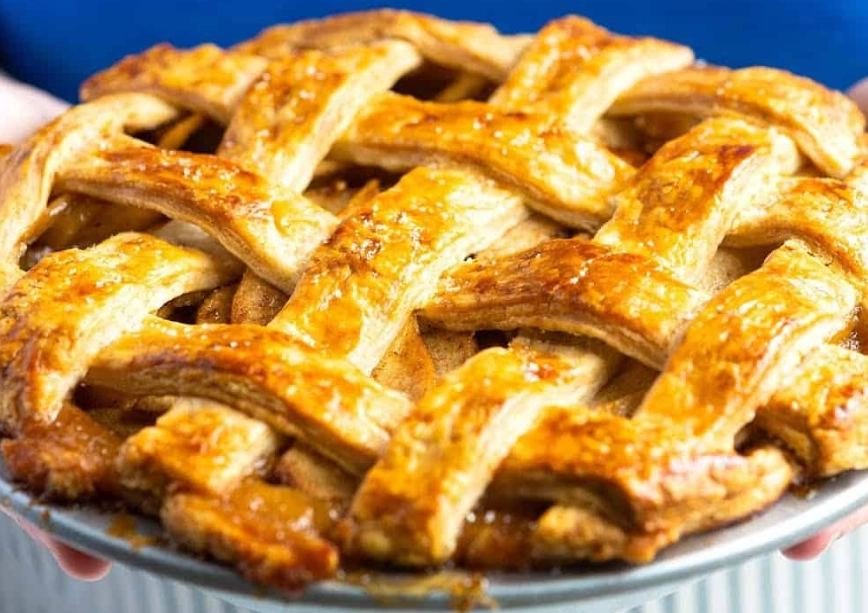
The Top Tier: Your Go-To List of Good Pie Apples
Based on years of testing, chatting with orchardists, and yes, eating a lot of pie, here's a breakdown of the most reliable contenders. I've split them into categories because not every great pie apple acts the same way.
| Apple Variety | Flavor Profile | Texture When Baked | Best For | My Personal Take |
|---|---|---|---|---|
| Granny Smith | Very tart, bright, crisp | Holds shape very well, softens but stays distinct | Classic apple pie, needs sweet companion | The reliable workhorse. Can be one-note alone, but a backbone in any mix. |
| Honeycrisp | Intensely sweet with mild acidity | Softens considerably, can get mushy if overbaked | Sweet pies, caramel apple pies | Delicious but pricey. Watch the bake time—it goes soft fast. |
| Braeburn | Perfect sweet-tart balance, spicy notes | Excellent structure, holds shape beautifully | Any pie, especially solo-act pies | My personal favorite for all-around performance. Consistently great. |
| Jonagold | Tangy-sweet, complex honeyed notes | Softens to a tender, almost creamy texture | Mixing, Dutch apple pies | A flavor superstar. Texture is softer, so I pair it with a firmer apple. |
| Northern Spy | Tangy, aromatic, well-balanced | Legendary for holding firm slices | Traditional pie purists | The gold standard if you can find it. Not always in supermarkets. |
| Pink Lady (Cripps Pink) | Tangy-sweet with a fizzy finish | Firm, holds its shape very well | Modern pies, tarts, where appearance matters | Reliable and widely available. A safe and excellent choice. |
| Golden Delicious | Mild, sweet, buttery | Softens to a smooth, almost melting texture | Mixing, adding body to filling | Underrated for pie! It's a great "filler" apple that blends flavors well. |
See, it's not just about names. It's about knowing what you're getting into. A Northern Spy and a Jonagold might both be called good pie apples, but they'll give you completely different results in the oven.
Don't stress if you can't find Northern Spy or some heirloom variety. Braeburn, Pink Lady, and Granny Smith are available year-round in most places and will make a fantastic pie. The best apple for your pie is often the best one you can actually get your hands on.
The Art of the Mix: Why One Apple Rarely Wins the Game
Here's the insider secret most home bakers eventually discover: using a blend of apples is the ultimate power move. It's how you build depth and complexity, ensuring every bite has interest. Think of it like building a soundtrack—you need bass, melody, and a little harmony.
My Favorite Pie Apple Blends
The Classic Balanced Pie: 2 parts Granny Smith (for tartness and structure) + 1 part Honeycrisp or Braeburn (for sweetness and aroma) + 1 part Golden Delicious (for buttery, smooth body). This is my go-to for a crowd-pleaser.
The Complex, Grown-Up Pie: Equal parts Braeburn, Jonagold, and Pink Lady. You get spice, honey, and tang all in one. The textures play off each other wonderfully.
The Firm & Fearless All-Structure Pie: Northern Spy (if you have it) or Pink Lady mixed with Granny Smith. For those who despise any hint of mush. Every slice will be perfectly defined.
Mixing is also your safety net. If one apple is a bit more watery or softer than expected, the firmer apples in the mix will compensate. It's foolproofing your dessert.
Apples to Approach with Caution (The "Not-So-Good" Pie Apples)
Let's talk about the other side of the coin. Some apples are delicious for eating but can lead to pie disappointment. This isn't to say you can't use them, but you should know what you're signing up for.
Red Delicious: I'm just going to say it. They are arguably the worst common choice for pie. Mealy texture, bland flavor that vanishes when cooked, and they collapse into an unappealing pulp. Please, save them for the lunchbox.
McIntosh: This hurts because I love a fresh Mac. Their flavor is wonderful, but their flesh is very tender. They cook down into applesauce almost instantly. If you use them, mix them sparingly (like 25% of your total) with very firm apples, and expect a much softer, saucier filling. The University of Minnesota Extension notes their tendency to become "musky" when cooked, which is a spot-on description.
Gala & Fuji: These are very sweet, low-acid eating apples. In a pie, they can lack that necessary bright note and become overly sweet and soft. They're not terrible, but they're not champions. If they're all you have, add a big squeeze of lemon juice to the filling to perk up the flavor.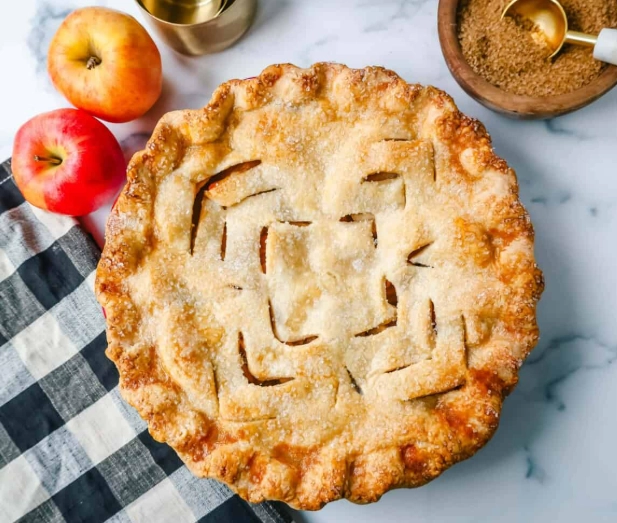
Remember: "Not ideal" doesn't mean "disaster." With adjustments (more thickener, shorter bake time, a bold flavor mix-in), you can make a decent pie with most apples. But starting with the right varieties is 80% of the battle.
Your Pie, Your Choice: Matching Apples to Pie Style
Now that you know the players, let's strategize. What are good pie apples for the specific type of pie you want to make?
For a Classic, Tall, Lattice-Top Apple Pie
You need structural champions. Go for a mix heavy on Braeburn, Pink Lady, and Granny Smith. You want those distinct, tender-yet-present slices stacked high. Northern Spy is the dream here.
For a Dutch Apple Pie or Apple Crumble
You can play with softer textures a bit more since the topping is the star. Jonagolds and Honeycrisps shine here, as their softer, juicier bake mingles perfectly with the buttery crumbs. A mix with Golden Delicious works beautifully.
For a Deep-Dish or Caramel Apple Pie
Firm apples are still key because of the long bake and heavy, wet filling. Granny Smith's tartness cuts through the rich caramel. Pair it with a sweeter, firm apple like Braeburn to balance it out.
It all comes down to this: think about the end goal. A delicate tart? Use a firm, pretty apple like Pink Lady sliced thinly. A homey, saucy pie? A blend with one softer apple like Jonagold can be perfect.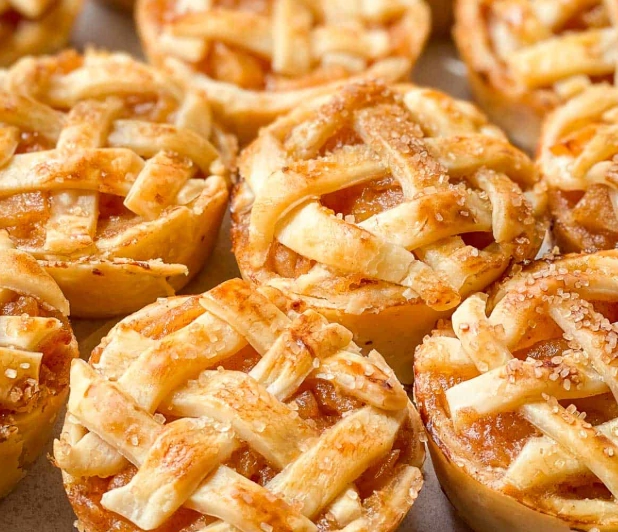
Pro Tips & Tricks: From Selection to Oven
Knowing what are good pie apples is step one. Handling them right is step two. Here are some hard-won kitchen lessons.
- Buying: Feel the apple. It should feel dense and heavy for its size, not light or puffy. The skin should be tight, not wrinkly. Don't shy away from smaller or less shiny apples—often, they have more flavor.
- Prepping: Peel them. I know some folks leave the peel on for fiber, but it can separate and become leathery in the bake, creating weird textural pockets. Just peel.
- Preventing Sogginess: Toss your sliced apples with some of the sugar and spices and let them sit in a colander for 30 minutes. They'll release a surprising amount of juice. Use that drained juice, reduce it on the stove to a syrup, and mix it back in with your thickener (like tapioca or cornstarch). This concentrates flavor and minimizes excess liquid. The science behind this is explained well by resources from agricultural departments on fruit cell structure and moisture release.
- Flavor Boost: Don't just use white sugar and cinnamon. A little brown sugar adds molasses depth. A pinch of nutmeg or cardamom is magic. And never, ever skip the salt—it makes all the flavors pop.
One more thing. Taste a slice of your raw apple. If it tastes bland or starchy, it's not going to magically become amazing in the pie. Start with good flavor, and you'll end with it.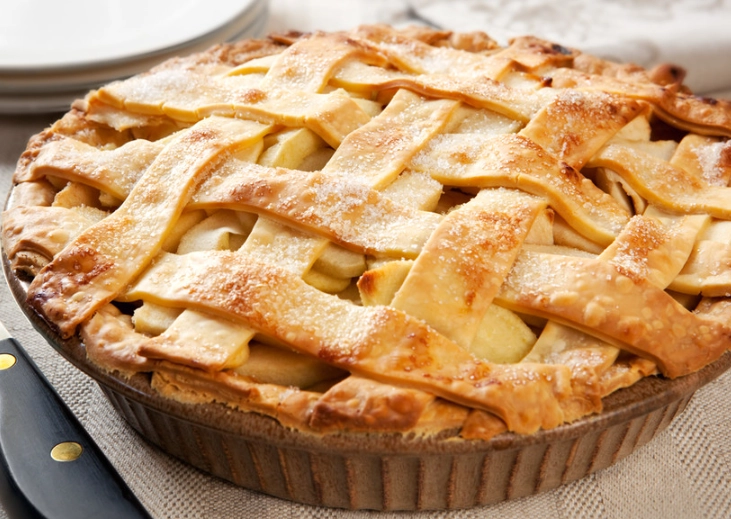
Answering Your Apple Pie Questions (FAQs)
Let's tackle the stuff you're actually searching for. The nitty-gritty questions that pop up when you're up to your elbows in flour.
Wrapping It All Up: Your Pie Apple Confidence
So, what are good pie apples? They're the brave ones. The apples with enough character to shine through butter and spice, and enough fortitude to keep their composure in a hot oven. They're the Granny Smiths for tartness, the Braeburns for balance, the Northern Spies for structure, and the Jonagolds for aromatic depth.
The beauty is, there's no single right answer. It's about understanding the tools—the apples—and then using them to build the pie you want to eat. Start with a reliable blend from the table above, and then start experimenting. Try a local heirloom variety from a farmers market. Tweak your sweet-tart ratio.
Next time you're pie-planning, don't just grab the first bag you see. Take a moment. Think about texture, flavor, and balance. Your future self, holding a slice of perfect, sliceable, flavor-packed pie, will thank you.
Now go preheat that oven.
Reader Comments