
You see "salad" on the menu and think, "Perfect, that's my healthy choice." You order the Caesar, maybe even feel a little virtuous. But if your goal is weight loss, that classic Caesar salad might be quietly working against you. The short answer to whether Caesar salad is healthy for weight loss is: it can be, but the restaurant version almost never is. The real story isn't about the lettuce; it's about the dressing, the cheese, and the croutons that turn a simple plate of greens into a calorie and fat bomb that can rival a burger. Let's break down why and, more importantly, how to make it a genuine ally in your weight loss journey.
What's Inside This Guide?
Why Your Favorite Caesar Salad Is a Weight Loss Trap
I've had clients come to me confused. "I eat salads for lunch every day," they say, "but the scale won't budge." Nine times out of ten, it's a Caesar. The problem is one of perception. We associate "salad" with "diet food," but nutrition doesn't work on labels. It works on ingredients.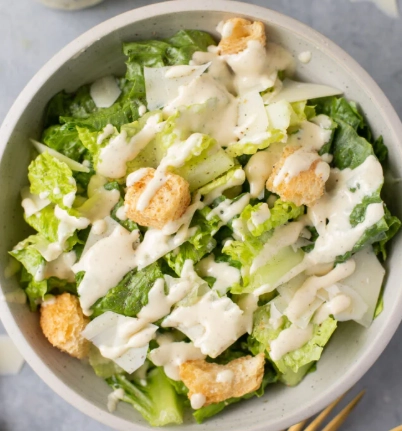
A traditional Caesar salad is built on four pillars: romaine lettuce, Caesar dressing, Parmesan cheese, and croutons. The lettuce is innocent. The other three are the culprits.
The Core Issue: The dressing is typically a creamy emulsion of oil, egg yolk, Parmesan, and anchovies. A single quarter-cup (4 tablespoon) serving of traditional Caesar dressing can pack 300-400 calories and 30-40 grams of fat. Most restaurants use far more than that. Then you add a heavy snowfall of Parmesan (about 100 calories per ¼ cup) and a cup of oily, buttery croutons (another 150-200 calories). Suddenly, your "light" salad is pushing 600-800 calories before you even add chicken.
Here’s a typical breakdown for a full-sized restaurant Caesar salad with grilled chicken, based on data from resources like the USDA FoodData Central and restaurant nutrition guides:
| Ingredient | Estimated Amount | Calories | Key Concern for Weight Loss |
|---|---|---|---|
| Romaine Lettuce | 3 cups | ~24 | None - high in volume, low in calories. |
| Traditional Caesar Dressing | 1/2 cup (yes, really) | ~500 | Extremely high in fat and calories, often with added sugar. |
| Parmesan Cheese (shredded) | 1/2 cup | ~200 | High in saturated fat and sodium. |
| White Bread Croutons | 1.5 cups | ~225 | Refined carbs, low fiber, often cooked in oil. |
| Grilled Chicken Breast (6 oz) | 6 oz | ~280 | Good protein source. |
| Total (Approx.) | - | ~1229 calories | Calorie-dense, high in refined carbs and fats. |
See that? Over 1200 calories. That's not a weight loss lunch; that's a caloric main event. The dressing alone can constitute over 40% of the total calories. This is the mistake everyone makes: focusing on the base and ignoring the toppings.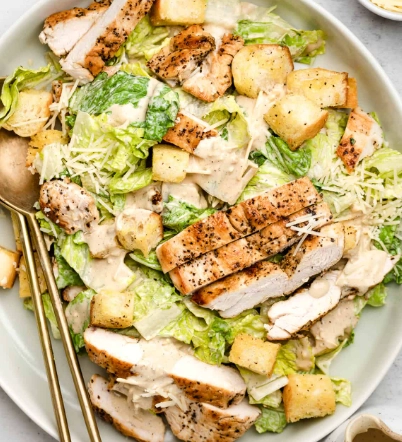
How to Build a Truly Weight-Loss-Friendly Caesar Salad
Okay, so the classic version is out. But the idea of a Caesar—creamy, savory, crunchy—is fantastic. The goal isn't to abandon it, but to engineer it. A weight-loss-friendly salad needs to be high in volume and protein, moderate in healthy fats, and lower in refined carbs and empty calories. Here’s your new blueprint.
1. The Dressing: Where the Battle Is Won or Lost
This is non-negotiable. You must control the dressing. Store-bought "light" versions can be an option, but read the label. Many replace fat with sugar or thickeners. My preference is always to make your own. The core hack? Use Greek yogurt or blended cottage cheese as a base instead of all that oil.
A simple recipe: ½ cup non-fat Greek yogurt, 1 tbsp olive oil (for that authentic flavor), 1 tbsp lemon juice, 1 tsp Dijon mustard, 1 minced garlic clove, 2 tbsp grated Parmesan, and 2 chopped anchovy fillets (or 1 tsp Worcestershire sauce). Blend it. You get the creamy, tangy, umami punch for a fraction of the calories and fat, plus a bonus of protein.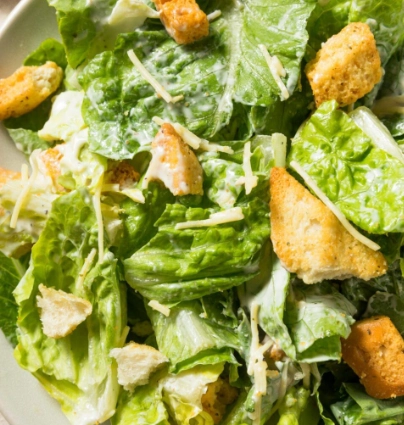
2. Rethink the Crunch (Forget the Croutons)
Croutons are just stale bread soaked in fat. They offer little nutrition. Swap them for something that adds crunch and nutrition.
- Toasted Chickpeas: Toss canned chickpeas with a little oil and spices, roast until crisp. Adds protein and fiber.
- Seed Mix: A tablespoon of pumpkin or sunflower seeds.
- Whole-Grain Pita Chips: One small, baked pita torn into pieces offers more fiber than white croutons.
3. Prioritize and Portion Your Protein
Chicken is great. But don't stop there. Grilled shrimp, baked salmon, or even a can of rinsed white beans (for a plant-based option) are excellent. The key is a palm-sized portion (3-4 oz for women, 4-6 oz for men). This keeps you full for hours, preserving muscle mass while you lose fat.
4. Cheese: A Garnish, Not a Blanket
Parmesan has a strong flavor, so you need less. Use a microplane or fine grater to make a little go a long way. One tablespoon of finely grated Parmesan (about 25 calories) can deliver more perceived flavor than a quarter cup of shreds.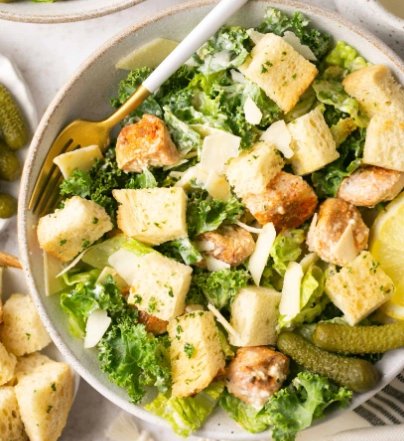
The Ultimate Light Caesar Salad Recipe (With Nutrition Facts)
Let's get practical. Here’s a recipe I make weekly. It tastes indulgent but fits perfectly into a calorie-controlled day.
Ingredients (Serves 2 as a main):
- For the Dressing: ½ cup non-fat plain Greek yogurt, 1 tbsp extra virgin olive oil, 2 tbsp fresh lemon juice, 1 tbsp grated Parmesan, 1 small garlic clove (minced), 2 anchovy fillets (minced, or 1 tsp Worcestershire), 1 tsp Dijon mustard, black pepper.
- For the Salad: 1 large head of romaine, chopped, 8 oz grilled chicken breast (sliced), ¼ cup finely grated Parmesan, ½ cup roasted chickpeas (see below).
- For the Roasted Chickpeas: 1 can chickpeas (rinsed, dried), 1 tsp olive oil, ½ tsp paprika, ¼ tsp garlic powder.
Method: Heat oven to 400°F (200°C). Toss dried chickpeas with oil and spices, roast for 20-25 mins until crisp. Whisk all dressing ingredients. In a large bowl, toss romaine with half the dressing. Divide between bowls. Top with chicken, roasted chickpeas, and sprinkle with grated Parmesan. Serve with extra dressing on the side.
Approximate Nutrition Per Serving (½ recipe): Calories: ~420 | Protein: 45g | Carbs: 22g (Fiber: 6g) | Fat: 16g. Compare that to the 1200-calorie restaurant version. This is a nutrient-dense, satisfying meal that creates a calorie deficit.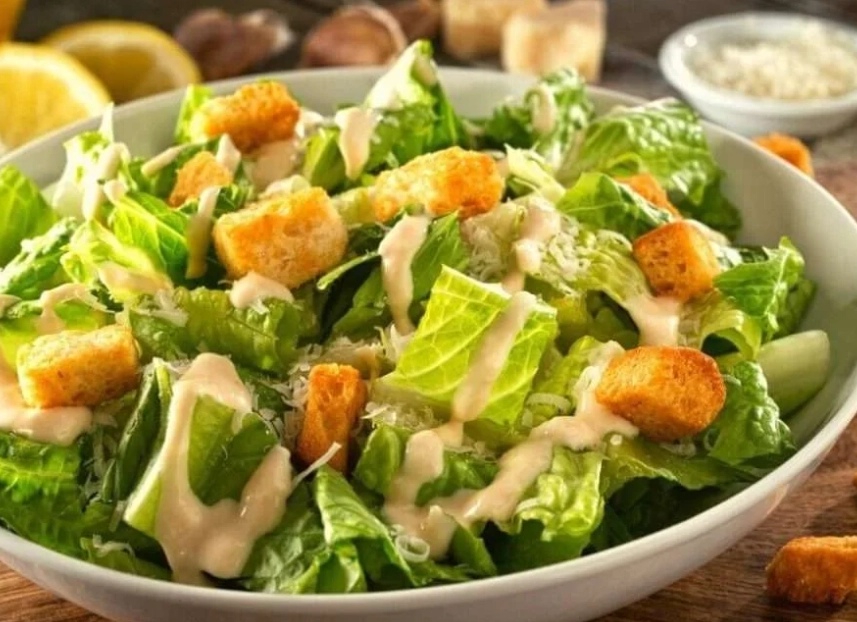
Restaurant Caesar vs. Homemade: A Survival Guide
You can't always eat at home. Here’s how to navigate a menu.
At a Restaurant: Ask for the dressing on the side. Not in a little cup on the side, but actually served separately. Use the fork-dip method: dip the tines of your fork into the dressing before spearing a bite of lettuce. You'll use about 75% less. Request no croutons. Ask for extra vegetables instead (asparagus, broccoli). Choose grilled, not crispy, chicken or shrimp. If they have it, ask for a yogurt-based dressing option.
The Fast-Food Trap: Be extra wary. A Caesar side salad from a fast-food chain might seem harmless, but the pre-packaged dressing pouch can contain 200+ calories. Often, it's better to skip it entirely and choose a different green option.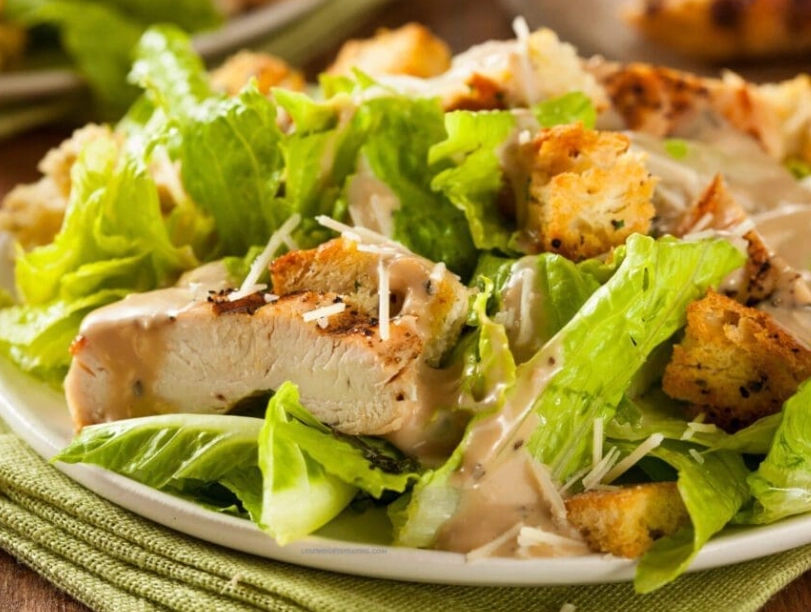
Your Caesar Salad for Weight Loss Questions, Answered
I'm lactose intolerant. Can I still have a good Caesar salad for weight loss?
Absolutely, and it might even make it healthier. Skip the Parmesan cheese entirely—it's not the main flavor driver in a good dressing. For the creamy base, use a dairy-free yogurt (like unsweetened soy or almond yogurt). The umami from anchovies, garlic, and lemon will still give you that classic Caesar taste. Nutritional yeast (1-2 teaspoons) can add a cheesy, nutty flavor without the lactose.
Is a Chicken Caesar salad good for building muscle while losing fat?
It can be a great option, but you need to adjust the priorities. The goal shifts to maximizing protein. Double the chicken portion to 8-10 oz per salad. Keep the homemade yogurt-based dressing for its extra protein. You might even add a hard-boiled egg. Be mindful of overall calories, but ensuring adequate protein is crucial to signal your body to preserve muscle in a deficit. The salad becomes a vehicle for high-quality protein.
Why do I feel bloated after eating a Caesar salad, even a homemade one?
This is a common but rarely discussed issue. Three likely culprits: raw garlic in the dressing (which contains FODMAPs that can ferment), high sodium from restaurant dressings and Parmesan, and the raw romaine itself, which can be hard for some people to digest in large quantities. Try steaming or quickly wilting the romaine for 30 seconds. Use garlic powder instead of raw garlic. And always control your salt by making dressing from scratch.
Can I eat Caesar salad every day for lunch and still lose weight?
Technically, yes, if it's the homemade, light version and fits your daily calorie target. But I wouldn't recommend it. Nutritional diversity matters. You'd miss out on the different vitamins, minerals, and antioxidants found in a variety of colored vegetables (bell peppers, carrots, purple cabbage). Use the Caesar as a weekly staple, but rotate it with other protein-and-veg-heavy salads based on different greens (spinach, kale, arugula) and dressings (vinaigrettes, tahini-based).
What's the single biggest mistake people make when ordering a Caesar salad for weight loss?
Assuming it's automatically healthy. They don't ask questions. They don't request modifications. They let the kitchen drown it in dressing and pile on the croutons. The mistake is passive ordering. The most effective tool you have in a restaurant is your voice. Use it to customize. A salad is only as good as the sum of its parts, and you have the right to control those parts.
The final verdict? A Caesar salad is not inherently healthy for weight loss. The traditional recipe is designed for taste, not wellness. But with knowledge and a few smart swaps, you can absolutely create a version that is delicious, satisfying, and perfectly aligned with your goals. It stops being a diet trap and becomes a powerful, flavorful tool in your healthy eating arsenal. Stop blaming the salad, and start engineering it.
Reader Comments