
Let's cut to the chase. Bell peppers are a nutritional goldmine disguised as a common vegetable. If you're just tossing them into salads for a bit of color, you're missing out on a massive health boost. I've been studying vegetable nutrition for over a decade, and bell peppers consistently stand out for their unique profile. They're not just "good for you"; they're a strategic food choice for anyone looking to improve their health without counting every single calorie.
The most common mistake? Treating all bell peppers the same. A green pepper and a red pepper might look like siblings, but nutritionally, they're more like distant cousins with vastly different strengths.
What's Inside This Guide?
Nutrition Face-Off: Green vs. Red vs. Yellow vs. Orange
This is where things get interesting. The color isn't just for show; it's a direct indicator of ripeness and nutrient content. A green bell pepper is simply an unripe version of the others. As it ripens to yellow, orange, and finally red, its nutrient profile transforms dramatically.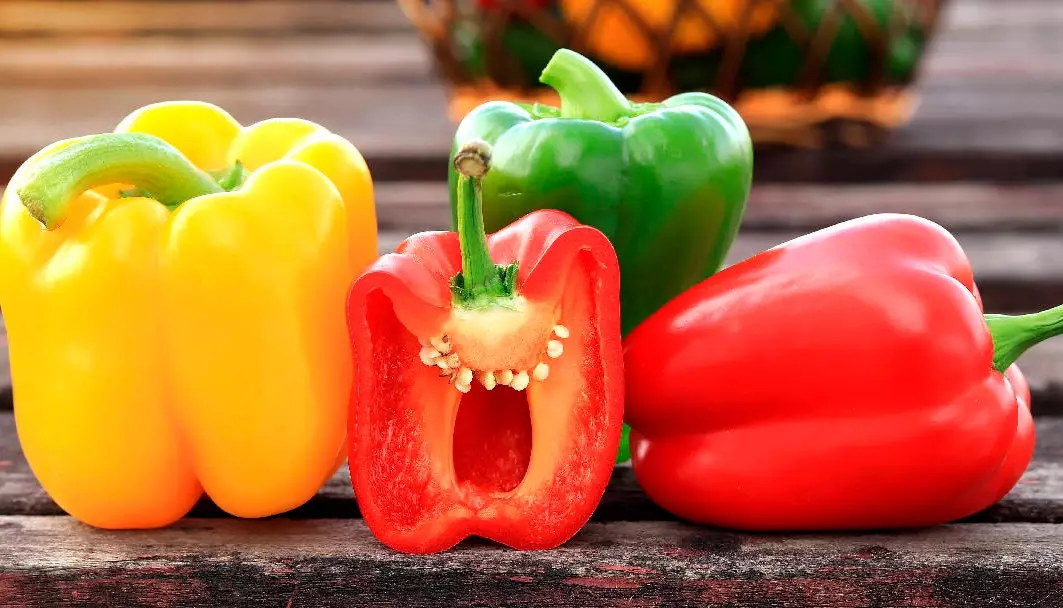
Here’s a snapshot of the nutritional differences per 100 grams (about 1/2 cup chopped), based on data from the USDA FoodData Central.
| Nutrient | Green Bell Pepper (Raw) | Red Bell Pepper (Raw) | Yellow Bell Pepper (Raw) | Orange Bell Pepper (Raw) |
|---|---|---|---|---|
| Calories | 20 kcal | 31 kcal | 27 kcal | 31 kcal |
| Vitamin C | 80.4 mg (134% DV) | 127.7 mg (213% DV) | 183.5 mg (306% DV) | 158 mg (263% DV) |
| Vitamin A (RAE) | 18 µg | 157 µg | 10 µg | 157 µg |
| Beta-Carotene | 208 µg | 1624 µg | 120 µg | 1624 µg |
| Vitamin B6 | 0.224 mg | 0.291 mg | 0.168 mg | 0.2 mg |
| Folate | 10 µg | 46 µg | 26 µg | NA |
| Potassium | 175 mg | 211 mg | 212 mg | 212 mg |
| Sugar | 2.4 g | 4.2 g | NA | NA |
Look at that Vitamin C jump. A yellow bell pepper gives you over 300% of your daily needs in a single serving. That's more than an orange. The red and orange peppers are the clear winners for Vitamin A, thanks to their sky-high beta-carotene content, which your body converts into retinol.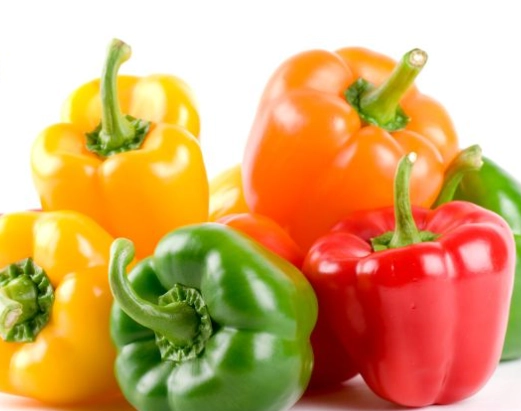
Green peppers are still excellent—low in calories, high in fiber, and a great source of Vitamin C. But if you're aiming for maximum antioxidant power, the ripe, colorful ones are your best bet. Personally, I find the flavor payoff matches the nutrition: red and yellow peppers are noticeably sweeter and less bitter than green ones.
Breaking Down the Key Nutrients in Bell Peppers
Let's move beyond the table and understand what these numbers really mean for your body.
Vitamin C: The Immune System's Best Friend (And More)
Bell peppers are one of the richest dietary sources of vitamin C (ascorbic acid). This isn't just about fighting off a cold. Vitamin C is a potent antioxidant that scavenges free radicals, reduces oxidative stress, and is essential for collagen synthesis. Collagen is the protein that keeps your skin firm, your joints cushioned, and your blood vessels strong.
A little-known fact: Vitamin C significantly enhances the absorption of non-heme iron (the type found in plants). If you're having a spinach salad or a lentil soup, adding raw bell pepper strips can help your body take in more of that iron.
Vitamin A & Carotenoids: The Colorful Protectors
The vibrant red, orange, and yellow hues come from carotenoid pigments like beta-carotene, lutein, and zeaxanthin. Beta-carotene is a precursor to vitamin A, crucial for vision, immune function, and cell growth.
Lutein and zeaxanthin are the superstars for eye health. They accumulate in the macula of your eye, acting like internal sunglasses to filter harmful blue light. Studies, including those referenced by the American Optometric Association, suggest they help protect against age-related macular degeneration.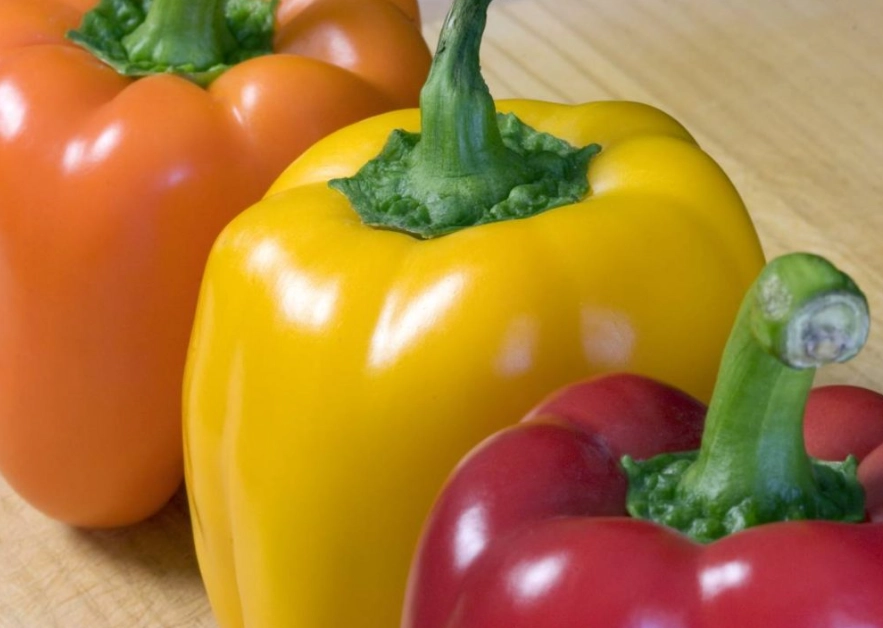
Fiber: The Unsung Hero of Digestion
A medium bell pepper provides about 2-3 grams of fiber. It's a mix of soluble and insoluble fiber. Soluble fiber helps regulate blood sugar and cholesterol, while insoluble fiber adds bulk to stool and keeps things moving smoothly through your digestive tract. For a low-calorie food, that's a significant contribution to your daily 25-gram goal.
Other Notable Players
You also get a decent hit of Vitamin B6 (important for metabolism and brain health), Folate (critical for DNA synthesis and repair), and Potassium (an electrolyte that helps control blood pressure by counteracting sodium). They also contain vitamin E, vitamin K1, and small amounts of manganese and magnesium.
My take: People often reach for expensive supplements for antioxidants like vitamin C and lutein. While supplements have their place, getting these nutrients from whole foods like bell peppers means you benefit from the full spectrum of phytonutrients and fiber that work synergistically—something a pill can't replicate.
Proven Health Benefits Backed by Science
So what does this nutrient density translate to in terms of real-world health? Plenty.
Supports Eye Health: The lutein, zeaxanthin, and vitamin A combo is a protective trifecta for your eyes, potentially lowering the risk of cataracts and macular degeneration.
Boosts Immune Function: The extreme levels of vitamin C stimulate the production and function of white blood cells. It also helps maintain the integrity of your skin, which is your body's first line of defense.
Promotes Heart Health: The antioxidants fight inflammation, a key driver of heart disease. The potassium helps manage blood pressure, while the fiber can help lower LDL ("bad") cholesterol levels.
Aids in Weight Management: At around 30 calories per pepper, they are a classic volume food. You can eat a large quantity for very few calories, feeling full and satisfied due to the water and fiber content. They're perfect for bulking out meals.
May Reduce Cancer Risk: While no single food prevents cancer, the antioxidants in bell peppers, particularly the carotenoids, have been studied for their potential to protect cells from damage that can lead to cancer. Diets rich in a variety of vegetables are consistently linked to lower risk.
Improves Skin Health: Vitamin C is non-negotiable for collagen production. Eating vitamin C-rich foods can help keep your skin looking plump and may reduce wrinkles. The beta-carotene can also contribute to a healthy skin glow.
Cooking & Preparation: How to Keep the Nutrients In
Here's a practical point most blogs gloss over: how you handle your bell peppers matters as much as which color you buy.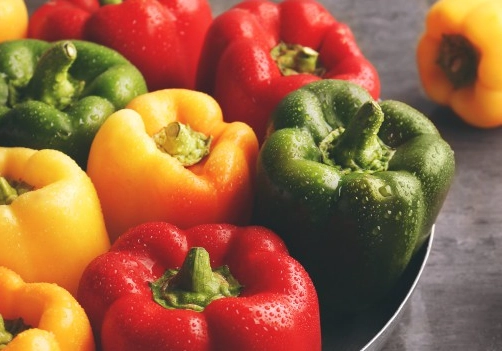
The Vitamin C Dilemma: Vitamin C is water-soluble and heat-sensitive. Boiling bell peppers is the worst thing you can do—you'll leach the vitamin C right into the cooking water. Steaming, stir-frying, roasting, or grilling for short periods is much better. Surprisingly, a light sauté might preserve more vitamin C than prolonged raw storage after cutting, as the heat inactivates the enzyme (ascorbate oxidase) that breaks it down.
The Carotenoid Advantage: Here's the flip side. Fat-soluble nutrients like beta-carotene and vitamin E are actually more bioavailable when cooked with a little healthy fat. The heat breaks down the plant's cell walls, and the fat helps your body absorb them.
My go-to method: For a balanced approach, I often quick-stir-fry sliced peppers in a teaspoon of olive oil over high heat for 3-4 minutes until just tender-crisp. This minimizes vitamin C loss while maximizing carotenoid absorption. Eating them raw in salads is still fantastic for a vitamin C boost, just pair them with an oil-based dressing.
Storage tip: Keep whole, uncut peppers in the crisper drawer of your fridge. Once cut, store them in an airtight container and use them within 2-3 days to prevent nutrient degradation.
Reader Comments