In This Guide
- What Exactly Is a Cremini Mushroom?
- Cremini vs. White Button vs. Portobello: The Family Showdown
- Why You Should Eat Them: Nutrition and Health Perks
- Your Step-by-Step Guide: Buying, Storing, and Prepping
- Cooking with Cremini Mushrooms: Techniques That Work
- Answering Your Cremini Mushroom Questions (FAQ)
- Final Thoughts: Give Them a Shot
Let's talk about cremini mushrooms. You've seen them. Brown, button-sized, sitting right next to the white mushrooms in the grocery store, maybe looking a bit more interesting. But what are they, really? And more importantly, why should you bother picking them over the plain white ones? I used to just grab whatever was cheapest, until I accidentally bought creminis one day and realized my soup tasted... deeper. Richer. Like someone had turned up the flavor knob. That's when I got curious.
This isn't just another bland ingredient list. We're going to dig into everything about cremini mushrooms – from what makes them tick to how to make them the star of your dinner. I'll share some mistakes I've made (like turning them into rubber), the simple tricks that work every time, and why they might just become your new kitchen staple.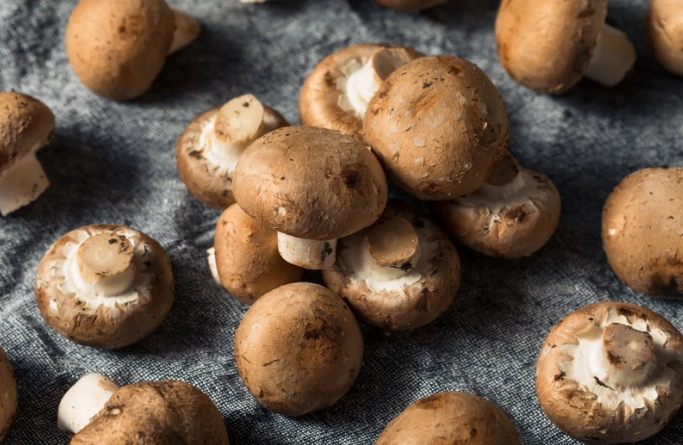
What Exactly Is a Cremini Mushroom?
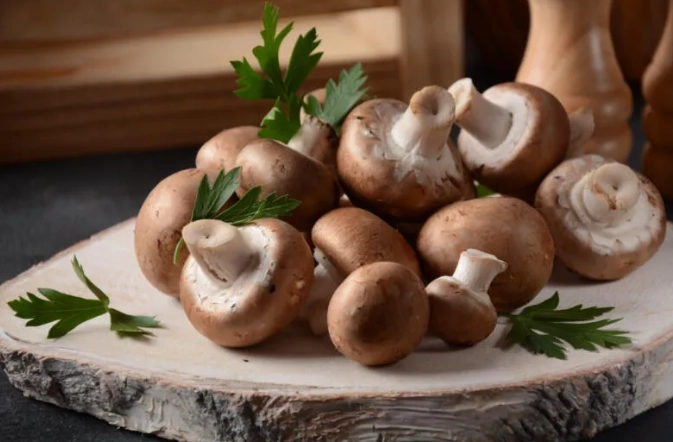
Okay, first things first. A cremini mushroom (Agaricus bisporus, if you want to get scientific) is essentially a teenager. No, really. It's the middle child in the life cycle of the most common cultivated mushroom family. The white button mushroom is the baby. The cremini is the adolescent. And the giant, meaty portobello? That's the full-grown adult. They're all the same species, just harvested at different stages of maturity.
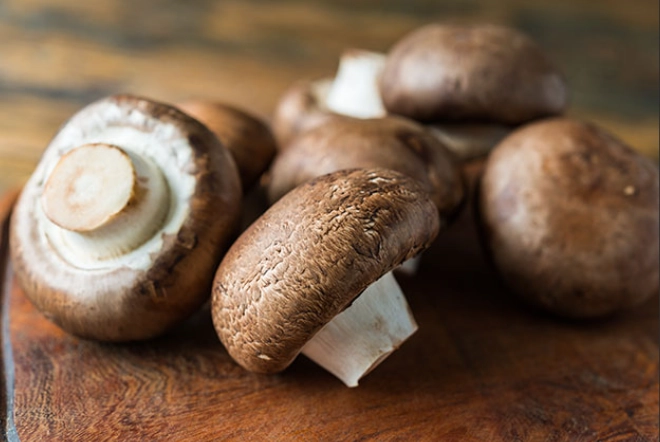
This middle-stage growth is the secret to their charm. They've developed more flavor than a white mushroom but haven't yet opened up into the large, flat cap of a portobello. The cap is a smooth, light to dark brown, and the gills underneath are usually a pale pinkish-tan, turning darker as they age. The stem is firm and edible.
Quick Identity Check: If you see "baby bella" mushrooms, that's just a marketing name for creminis. It's meant to tell you they're related to portobellos (which are sometimes called portabellas or portobellas). Same fungus, different label.
You get a denser texture and a more pronounced, earthy, almost nutty flavor compared to their white cousins. It's not an overwhelming mushroomy punch, but a subtle depth that makes a real difference in cooking. That's the umami talking – the savory fifth taste that makes food satisfying.
Cremini vs. White Button vs. Portobello: The Family Showdown
It's helpful to see them side-by-side. Choosing the right one can change your dish.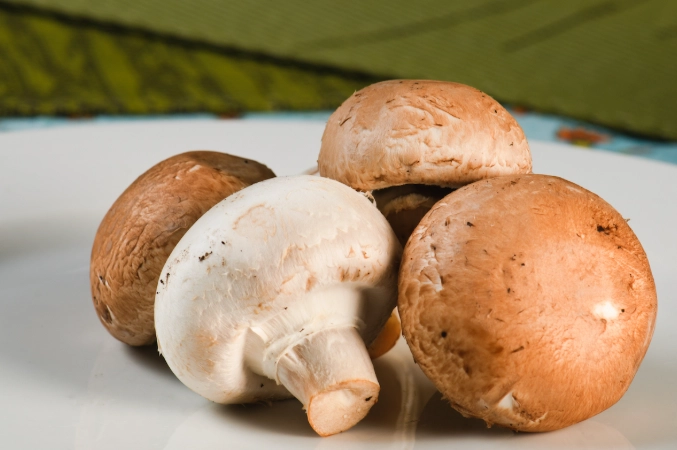
| Feature | White Button Mushroom | Cremini Mushroom (Baby Bella) | Portobello Mushroom |
|---|---|---|---|
| Stage | Immature | Adolescent | Fully Mature |
| Flavor | Very mild, slightly earthy | Earthy, robust, nutty (more umami) | Deep, intense, meaty |
| Texture | Softer, can become slimy | Firmer, denser, holds shape well | Very dense, meaty, can be chewy |
| Best Uses | Salads (raw), cream sauces, where subtlety is key | Sautés, soups, stews, stir-fries, roasting (all-purpose) | Grilling, stuffing, as a meat substitute (burger "bun") |
| Price | Usually the cheapest | Mid-range | Usually the most expensive |
My personal take? White mushrooms can sometimes taste a bit like water wrapped in fungus. They're fine, but they don't bring much to the party. Portobellos are fantastic for a main event, but their strong flavor and size aren't always what you need. Cremini mushrooms hit that sweet spot. They have enough character to stand out but are versatile enough to blend in and elevate a sauce or a pasta without dominating it.
For most cooked applications where you want real mushroom flavor, creminis are my go-to. It's a small upgrade that makes a big difference, and honestly, the price difference is usually negligible.
Why You Should Eat Them: Nutrition and Health Perks
Beyond taste, cremini mushrooms pack a surprising nutritional punch. They're a low-calorie way to add bulk, nutrients, and that precious umami to your meals.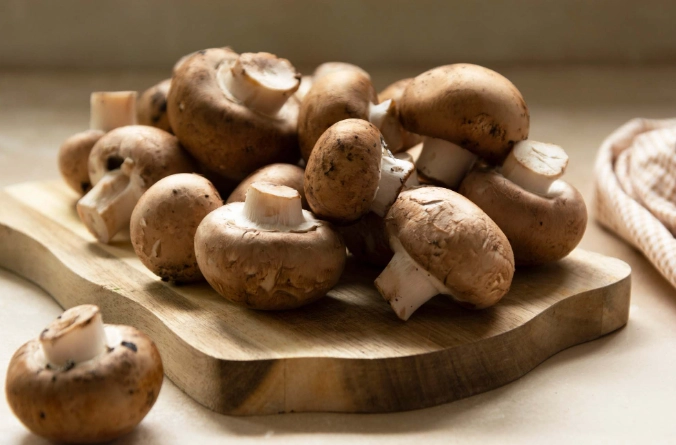
According to the USDA's FoodData Central database, a cup of sliced raw cremini mushrooms (about 70g) contains roughly:
- Calories: 15-20
- Protein: 2-3g (not bad for a vegetable!)
- Fiber: 1g
- Key Nutrients: Selenium, potassium, phosphorus, B vitamins (especially riboflavin, niacin, and pantothenic acid).
But the real buzz is around some specific compounds:
Antioxidants Galore
Creminis, like other mushrooms, contain antioxidants like ergothioneine and glutathione. Some research, like that highlighted by the Mushroom Council, suggests these compounds help protect our cells from damage. It's one reason mushrooms are often studied for their potential role in supporting overall health.
Potential Immune Support
They contain beta-glucans, a type of soluble fiber known to modulate the immune system. This isn't a magic bullet, but it's a good part of a diet aimed at overall wellness.
Vitamin D Potential (with a catch)
This is cool. Mushrooms can produce vitamin D when exposed to UV light, just like human skin. Most commercially grown creminis are grown in the dark, so they have little. However, some brands now sell UV-treated mushrooms. If getting enough vitamin D is a concern for you, it's worth looking for packages that specifically say "high in vitamin D" or "UV-treated."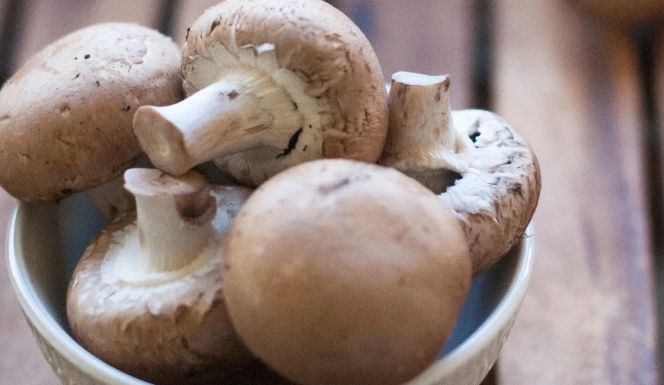
Cooking Note: Don't expect cremini mushrooms to be a primary source of most nutrients. Think of them as a nutrient booster. Their real value is adding flavor, texture, and a suite of beneficial compounds to an already balanced diet.
Your Step-by-Step Guide: Buying, Storing, and Prepping
Picking the Perfect Package
You're at the store. What do you look for?
- Feel: They should feel firm and dry to the touch. Springy is good. Squishy or slimy is bad – walk away.
- Look: The caps should be smooth, closed (gills not visible from underneath), and evenly colored. Avoid packs with lots of broken stems or dark, wet spots.
- Smell: A faint, earthy, pleasant smell is normal. A sharp, sour, or ammonia-like odor means they're past their prime.
- Pre-sliced? I usually avoid them. They dry out faster and lose flavor more quickly. Slicing them yourself takes two minutes and guarantees freshness.
Storing Them Right (This Matters!)
Mushrooms are mostly water and breathe. Storing them wrong leads to sogginess or shriveling.
- Take them out of the plastic wrap. That clammy package is a death trap. It traps moisture and speeds up decay.
- Transfer to a paper bag or a container lined with paper towels. The paper absorbs excess moisture while allowing them to breathe.
- Store in the main part of your fridge, not in the crisper drawer (which is often too humid).
- Use within 5-7 days. Fresh is best with creminis.
Common Mistake: Never soak mushrooms in water to clean them. They are like sponges and will become waterlogged, making it impossible to get a good sear. You'll end up steaming them instead of sautéing, and the texture suffers.
How to Clean Cremini Mushrooms Properly
This is a point of contention, but here's my method after trial and error:
For most situations: Wipe each one quickly with a damp paper towel or a soft brush (a clean pastry brush works). This is tedious but preserves texture perfectly.
If they're very dirty: Rinse them quickly under cold running water just before you're ready to cook them. Don't let them sit in water. Immediately pat them very dry with a clean kitchen towel or paper towels. I mean, get them as dry as you can. This is crucial.
To stem or not to stem? The stems of cremini mushrooms are perfectly edible and flavorful. If the very end is dry or dirty, just trim it off. For dishes where you want uniform pieces, slice the whole mushroom, stem and all.
Cooking with Cremini Mushrooms: Techniques That Work
This is where the fun starts. Their firm texture and robust flavor make them incredibly versatile.
The Golden Rule: Get Them Dry and Hot
The biggest mistake people make is crowding the pan. You want to sauté, not steam. Here's how:
- Dry your mushrooms thoroughly after cleaning (see above).
- Heat your pan (stainless steel or cast iron works great) over medium-high heat. Add a thin layer of oil with a high smoke point, like avocado or grapeseed. Butter burns too easily for the initial sear.
- Add the mushrooms in a single layer with space between them. If you have a lot, cook in batches. I know it's annoying, but it's the secret.
- Don't touch them! Let them sit for 3-4 minutes until they develop a deep golden-brown sear on one side. You'll hear the sizzle change as they release water and then re-absorb it.
- Then, toss or flip and cook for another few minutes. Season with salt and pepper towards the end (salt draws out moisture early).
That Maillard reaction (the browning) is where the magic happens. It creates complex, savory flavors you just can't get from steaming.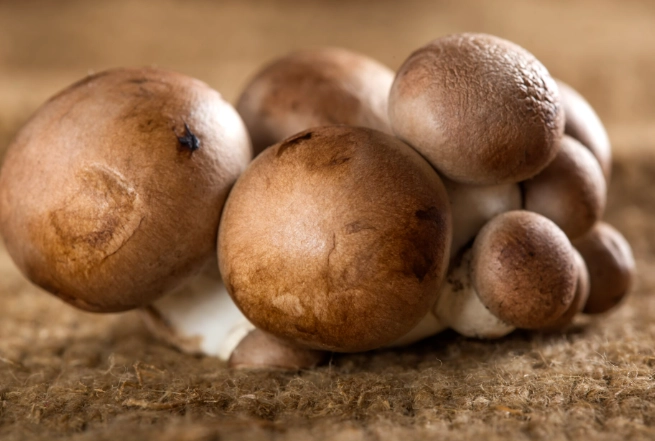
Top Cooking Methods for Cremini Mushrooms
Sautéing & Pan-Frying
The workhorse method. Perfect for pastas, omelets, toppings for steak, or just a side dish. Follow the golden rule above. Add a knob of butter and some minced garlic or thyme in the last minute for extra flavor.
Roasting
My absolute favorite for hands-off, concentrated flavor. Toss whole or halved creminis with oil, salt, pepper, and maybe some rosemary. Spread on a parchment-lined sheet pan. Roast at 400°F (200°C) for 20-25 minutes until shrunken, caramelized, and intense. They become little flavor bombs.
Grilling
Skewer them or use a grill basket. Brush with oil to prevent sticking. They get a wonderful smoky char. Great for kebabs or as a BBQ side.
Braising & Stewing
Because they're firm, cremini mushrooms hold their shape beautifully in long-cooked dishes like beef stew, coq au vin, or a mushroom bourguignon. They absorb the flavors of the braising liquid and contribute their own richness.
Using Them Raw
You can, but they are firmer and earthier-tasting raw than white mushrooms. If using in a salad, slice them paper-thin with a mandoline or sharp knife. A quick marinade in lemon juice or vinegar can soften their texture slightly.
Answering Your Cremini Mushroom Questions (FAQ)
Final Thoughts: Give Them a Shot
Look, I'm not saying white mushrooms are evil. They have their place. But if you've been sticking to them out of habit or uncertainty, I really encourage you to grab a package of cremini mushrooms next time.
Start simple. Sauté them with onions as a side for chicken. Toss them into your next pasta sauce. Roast a trayful. Pay attention to the deeper color and the richer, earthier taste they bring to the table. That extra bit of umami can transform something ordinary into something special.
They're an easy, affordable upgrade. And once you get the hang of cooking them properly—dry pan, enough heat, don't crowd—you'll have a reliable, flavorful tool in your cooking arsenal for good. Happy cooking!
Reader Comments