Quick Navigation
- What are Red Plums and Black Plums?
- Nutritional Differences Between Red and Black Plums
- Taste and Texture: Which Plum Tastes Better?
- Health Benefits: Which Plum is Better for Your Health?
- Culinary Uses: Best Recipes for Red and Black Plums
- How to Choose Between Red and Black Plums
- Common Mistakes When Comparing Red vs Black Plums
When you're at the grocery store, you might see two types of plums: red plums and black plums. They look different, but what's the real difference? I've been growing and eating plums for years, and let me tell you, it's not just about color.
Red plums are typically larger and have a sweeter taste. They're great for eating fresh or in salads. On the other hand, black plums are smaller and have a more tart flavor. They're perfect for baking or making jams.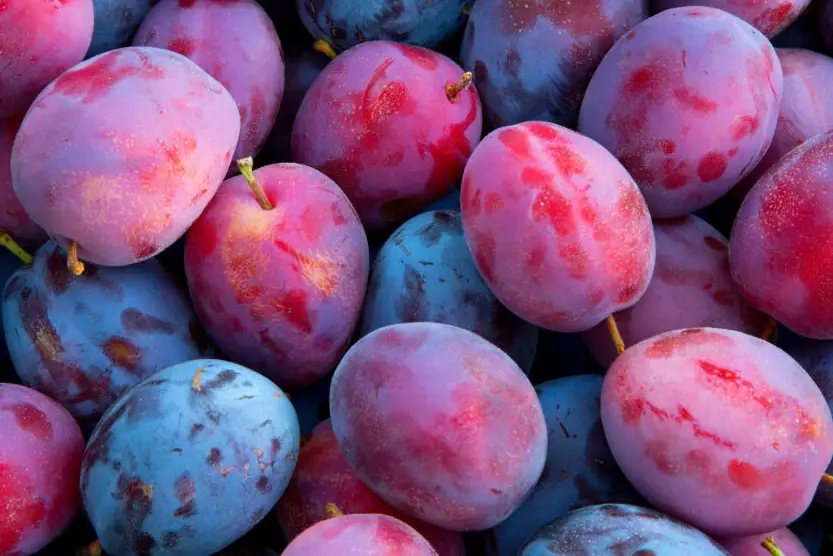
What are Red Plums and Black Plums?
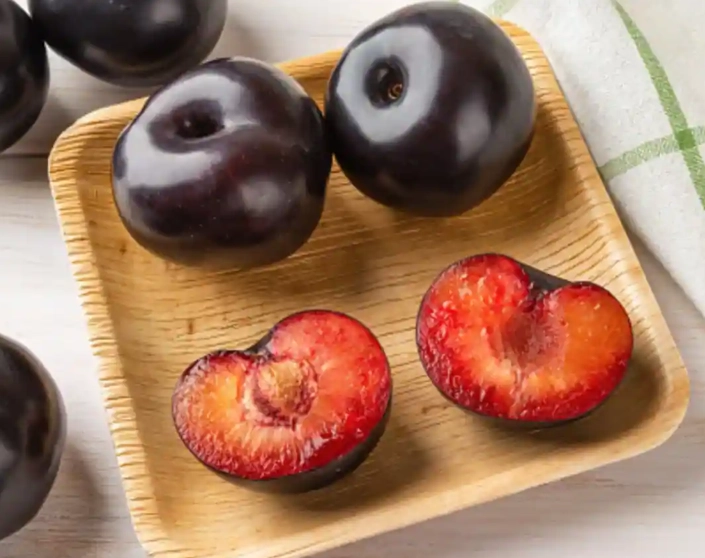
Red plums, also known as red plums, are a type of plum that is red in color. They're usually larger and have a sweeter taste. Black plums are, as the name suggests, black in color and are smaller.
Here's a quick table to help you understand:
| Characteristic | Red Plum | Black Plum |
|---|---|---|
| Color | Red | Black |
| Size | Large | Small |
| Taste | Sweet | Tart |
Key Characteristics of Red Plums
Red plums are often used in desserts because of their sweetness. They're high in vitamin C, which is great for your immune system. I remember one summer when I had a red plum pie that was just amazing.
Key Characteristics of Black Plums
Black plums are known for their rich flavor and are often used in savory dishes. They're higher in antioxidants, which can help fight off diseases. I've used black plums in a stew once, and it was incredible.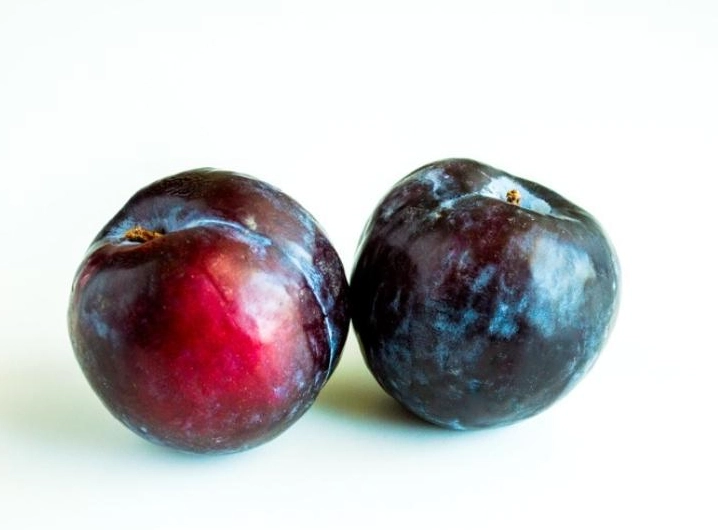
Nutritional Differences Between Red and Black Plums
When it comes to nutrition, both types of plums are good for you, but they have some differences. Red plums have more vitamin C, while black plums have more antioxidants.
Here's a breakdown:
- Vitamin C: Red plums contain about 10% more vitamin C than black plums.
- Antioxidants: Black plums have about 15% more antioxidants than red plums.
- Fiber: Both are high in fiber, but red plums have slightly more.

Taste and Texture: Which Plum Tastes Better?
This is subjective, but based on my experience, red plums are sweeter and juicier, making them better for fresh eating. Black plums have a more complex flavor that works well in cooked dishes.
I once made a salad with red plums, and it was too sweet. So, if you're looking for something to eat raw, red plums might be the way to go. But for cooking, black plums can add a depth of flavor that's hard to beat.
Health Benefits: Which Plum is Better for Your Health?
Both red and black plums offer health benefits, but they target different areas. Red plums are better for vitamin C intake, which supports your immune system. Black plums, with their higher antioxidant content, are better for long-term health benefits like reducing inflammation.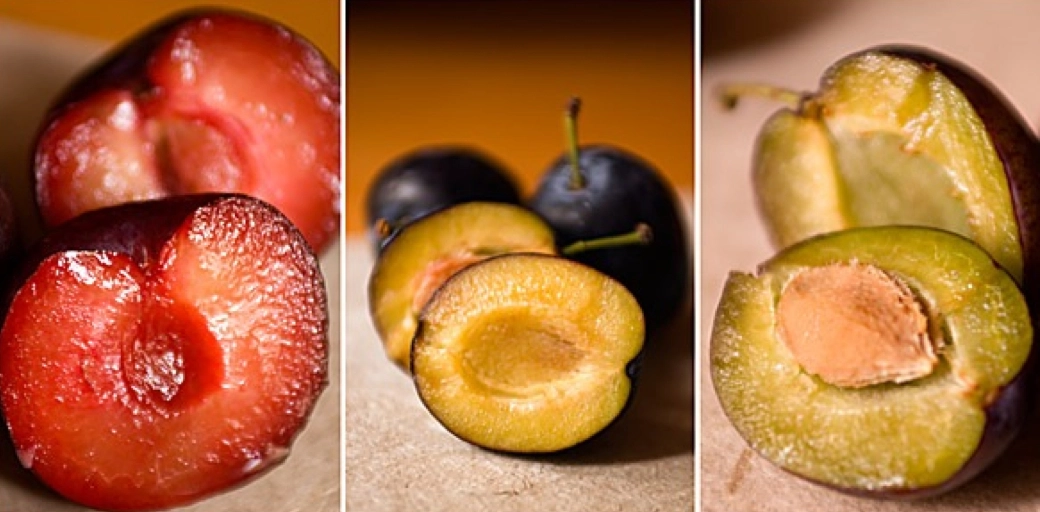
From a health perspective, if you're looking to boost your immune system, go for red plums. But if you're concerned about chronic diseases, black plums might be a better choice.
Culinary Uses: Best Recipes for Red and Black Plums
Red plums are excellent in desserts like pies and tarts. Their sweetness means you might need less sugar. Black plums shine in savory dishes or as a base for jams and jellies.
Here are a few recipes I've tried:
- Red Plum Pie: Classic and always a hit.
- Black Plum Jam: Rich and flavorful, perfect on toast.
How to Choose Between Red and Black Plums
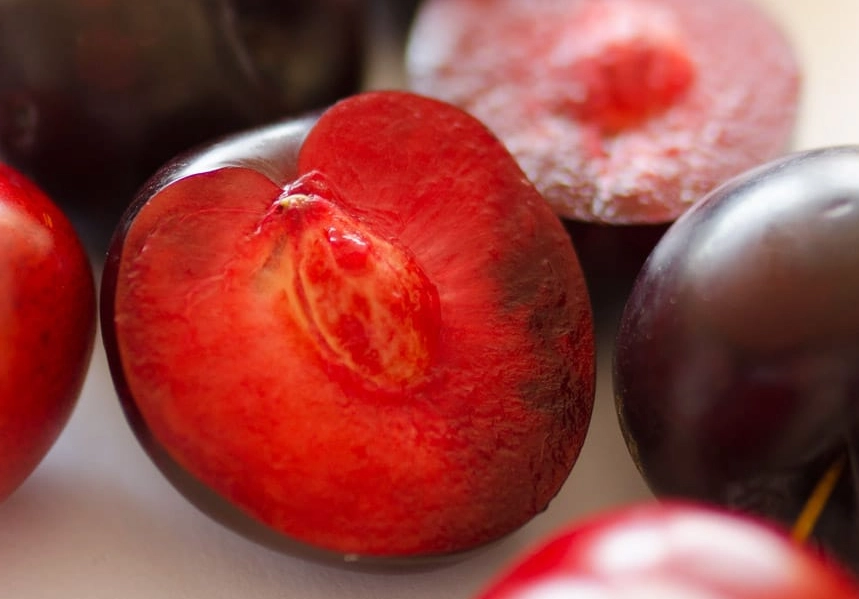
Choosing between red and black plums depends on what you're using them for. For fresh eating, red plums are usually preferred because of their sweetness. For cooking or baking, black plums might be better due to their tartness.
Consider these factors:
- Purpose: What are you making? If it's a dessert, red plums might be better. For a savory dish, black plums could work.
- Availability: Red plums are more common in most grocery stores.
- Personal taste: Do you prefer sweet or tart?
Common Mistakes When Comparing Red vs Black Plums
One common mistake is assuming that color is the only difference. It's not. The taste, texture, and nutritional value all vary. Another mistake is not considering the season. Red plums are typically in season during the summer, while black plums might be available later.
I've seen people buy red plums for a recipe that calls for black plums, and the dish turns out too sweet. So, always check the recipe requirements.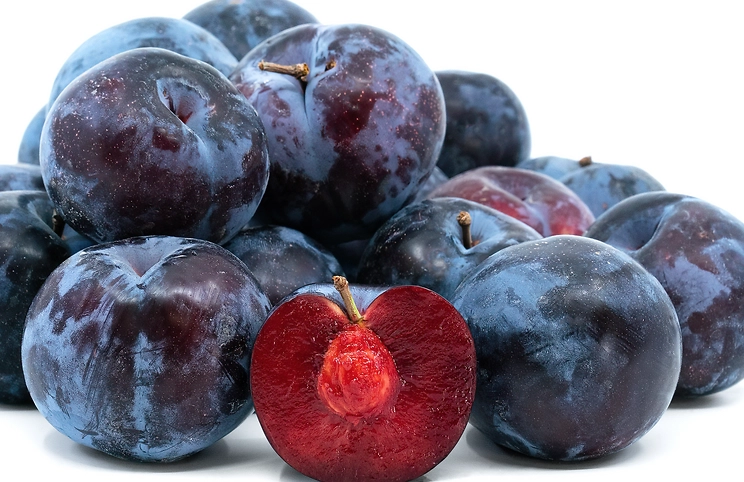
Reader Comments