Quick Navigation
- Why Bother Growing Your Own Bell Peppers?
- Picking Your Bell Pepper Plant Variety
- Getting Started: Seeds vs. Transplants
- The Non-Negotiables: What Bell Pepper Plants Really Need
- Planting and Ongoing Care
- The Inevitable Problems (And How to Fix Them)
- Harvesting and Using Your Peppers
- Your Bell Pepper Questions, Answered
- Going a Step Further: Resources and Deep Dives
Ever bought a bell pepper plant from a store only to have it wilt in days? I've been there. You get all excited, plant it, water it, and then... nothing. Or worse, it just gives up. It's frustrating. But after years of trial and error (and more error than I'd like to admit), I've figured it out. Growing bell pepper plants isn't about having a green thumb. It's about understanding a few simple, non-negotiable things they need.
Let's be real. Bell peppers can be a bit dramatic. Too cold? They sulk. Too much water? They throw a fit. Not enough sun? Forget about it. But when you get it right, there's nothing like walking out to your garden and picking a crisp, sweet pepper you grew yourself. The flavor is miles ahead of anything you'll find in a supermarket.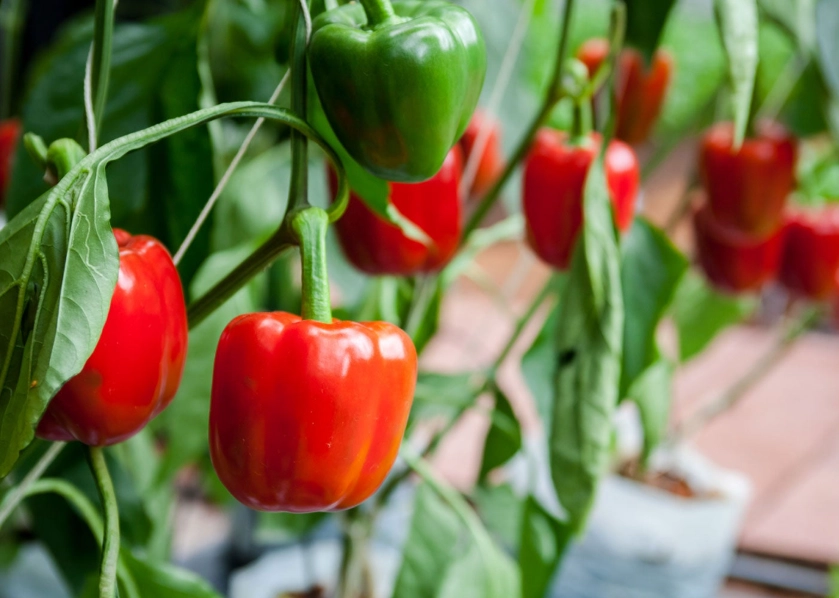
This guide is everything I wish I knew when I started. We'll skip the fluff and get straight to what works. From picking the right seeds to dealing with those annoying bugs that show up every summer.
Why Bother Growing Your Own Bell Peppers?
You can buy them cheaply, right? True. But have you ever tasted a homegrown bell pepper? It's a different vegetable entirely. The skin is thinner, the flesh is sweeter and crisper, and the smell is incredible. Beyond taste, you control what goes on them. No waxy coatings, no mystery pesticides. Just clean, healthy food.
There's also the sheer variety. Stores usually only carry green, red, and maybe yellow or orange. But have you seen the chocolate brown ones? Or the deep purple varieties? Growing your own bell pepper plants opens up a world of colors and flavors you can't buy.
And let's not forget the satisfaction. There's a quiet pride in serving a salad with peppers you nurtured from a tiny seed. It connects you to your food in a way that's hard to describe.
Picking Your Bell Pepper Plant Variety
This is where most people go wrong. They just grab any packet. Big mistake. The variety you choose decides your entire season.
First, think about your climate. If you have a short summer, you need a fast-maturing variety. Look for terms like "early season" or "short days to maturity." If you live somewhere hot and long-seasoned, you have more options, but you also need varieties that can handle the heat without dropping their flowers.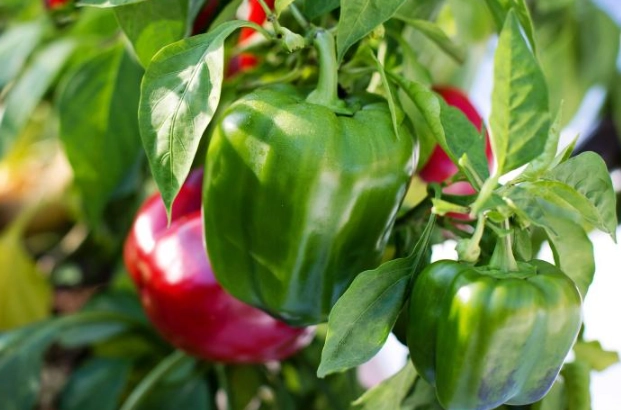
My Top Picks for Reliable Bell Pepper Plants
After trying dozens, these are the ones that consistently perform for me and other gardeners I trust.
- California Wonder: The classic. It's reliable, produces big, four-lobed peppers that turn from green to a beautiful red, and has good disease resistance. It's my go-to for beginners. You just can't kill it easily.
- Jupiter: This one is a beast. It's an early producer, which is great for impatient gardeners like me. The plants are sturdy and yield a ton of thick-walled peppers. It sets fruit well even in slightly cooler conditions.
- Purple Beauty: Want something stunning? The peppers start green, then develop a deep, glossy purple, and finally mature to red. They're gorgeous in salads. Fair warning: the purple color can fade to a muddy brown if you cook them too long.
- Mini Bell Varieties (Like 'Lunchbox'): Perfect for containers or small spaces. The peppers are small, sweet, and the plants are prolific. My kids love picking these right off the plant.
Hybrid vs. Heirloom? Hybrids (like Jupiter) are often bred for disease resistance and higher yields. Heirlooms (like California Wonder) offer classic flavor and you can save their seeds. I grow a mix. For a surefire harvest, lean toward hybrids. For fun and flavor, try heirlooms.
| Variety | Days to Maturity | Key Features | Best For |
|---|---|---|---|
| California Wonder | 75 days (green) / 90+ (red) | Classic blocky shape, reliable, disease-tolerant | Beginners, all-purpose use |
| Jupiter (Hybrid) | 65-70 days | Early, high yield, thick walls, sets fruit in cool weather | Short seasons, high production |
| Purple Beauty | 70-80 days | Stunning purple color, sweet flavor | Salads, visual appeal |
| Lunchbox Red (Hybrid) | 55-65 days | Mini peppers, super sweet, great in containers | Snacking, small gardens, kids |
| King of the North | 65-75 days | Excellent cold tolerance, productive in cooler climates | Northern gardeners, unpredictable summers |
Getting Started: Seeds vs. Transplants
Do you start from seed or buy young plants? It depends on your patience and your season length.
Starting your own bell pepper plants from seed is cheaper and gives you access to hundreds of varieties you'll never find at a nursery. But it takes time. You need to start them indoors 8-10 weeks before your last frost date. They need warmth (a heat mat helps a ton) and strong light (a simple shop light works). If you don't have a good setup, they get leggy and weak. I've ruined many a seedling by not giving them enough light early on.
Buying transplants is the easy button. You get a head start. The trick is choosing healthy plants. Avoid any that are already flowering or have fruit. It sounds counterintuitive, but a plant flowering in a tiny pot is stressed. You want a stocky, dark green plant with no yellow leaves or bugs. Give it a gentle shake. If a cloud of whiteflies appears, put it down and walk away.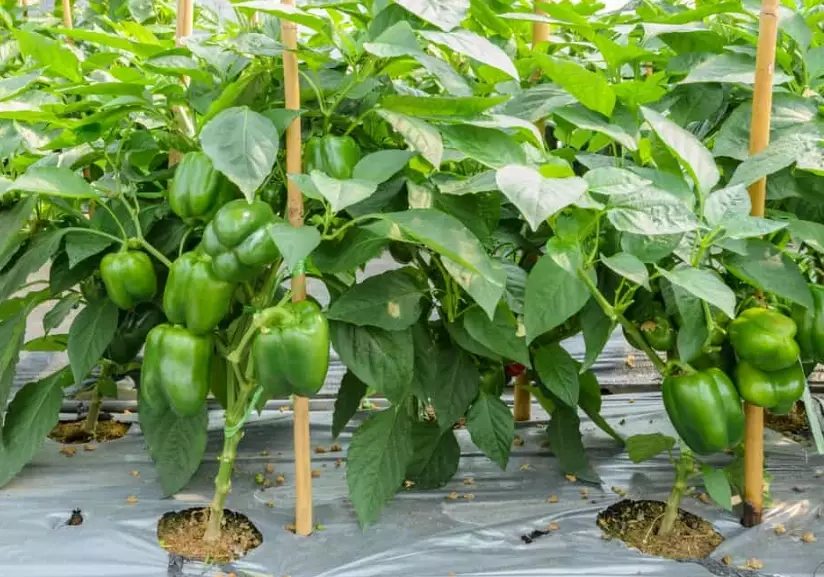
The Non-Negotiables: What Bell Pepper Plants Really Need
Get these four things right, and 90% of your problems disappear.
1. Sunlight: The Ultimate Fuel
This is the biggest one. Bell pepper plants need full sun. That means at least 6-8 hours of direct, unfiltered sunlight per day. More is better. Morning sun is good, but afternoon sun is powerful and essential for ripening. If your garden has a shady spot, plant something else there. Peppers will not perform.
2. Soil: It's All About the Foundation
Peppers hate wet feet. They need soil that drains well but still holds some moisture and nutrients. Heavy clay is a nightmare. Sandy soil drains too fast.
The ideal is loose, rich, and crumbly soil. Before planting, work in a generous amount of compost. Compost improves drainage in clay and water retention in sand. It's magic. I also mix in a balanced, slow-release organic fertilizer at planting time. Something with a slightly higher phosphorus number (the middle number in N-P-K, like 5-10-10) is great for encouraging root and flower development.
A soil pH between 6.0 and 6.8 is ideal. You can get a cheap test kit. If your soil is too acidic (common), add garden lime. If it's too alkaline, add sulfur. Getting the pH right helps the plants access all the nutrients in the soil.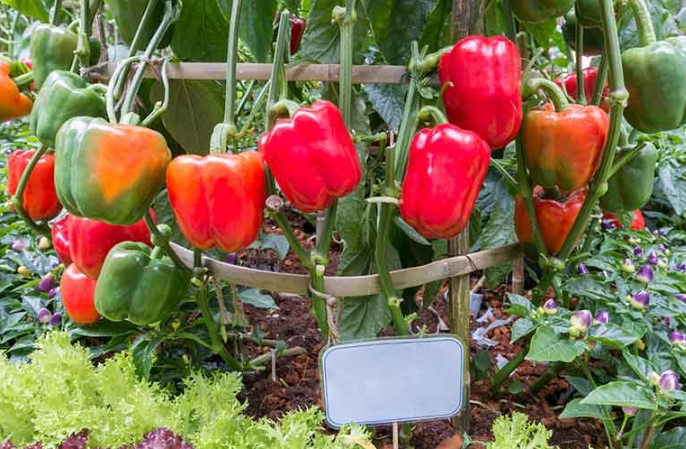
3. Warmth: They're Not Hardy
Bell peppers are tropical plants. They shut down in the cold. Don't even think about planting them outdoors until night temperatures are consistently above 55°F (13°C). The soil should be warm to the touch. If you plant too early, they'll just sit there, turning purple from stress, not growing. Wait for true warmth. Using black plastic mulch can warm the soil faster. I sometimes use Wall-O-Water cloches or even just milk jugs with the bottoms cut off to create a mini greenhouse for my early transplants.
4. Watering: The Delicate Balance
Overwatering is the #1 killer of bell pepper plants, especially in containers. Underwatering stresses them and leads to blossom end rot. It's a tightrope.
The goal is consistent moisture, not constant sogginess. Let the top inch of soil dry out before watering again. Then, water deeply so it soaks down to the roots. Shallow watering encourages shallow roots. In hot, dry weather, this might mean watering every other day. In cooler weather, once a week might be enough.
Key tip: Water at the base of the plant, not overhead. Wet leaves encourage fungal diseases like powdery mildew. Soaker hoses or drip irrigation are fantastic for this. If you must use a sprinkler, water in the morning so the leaves dry quickly.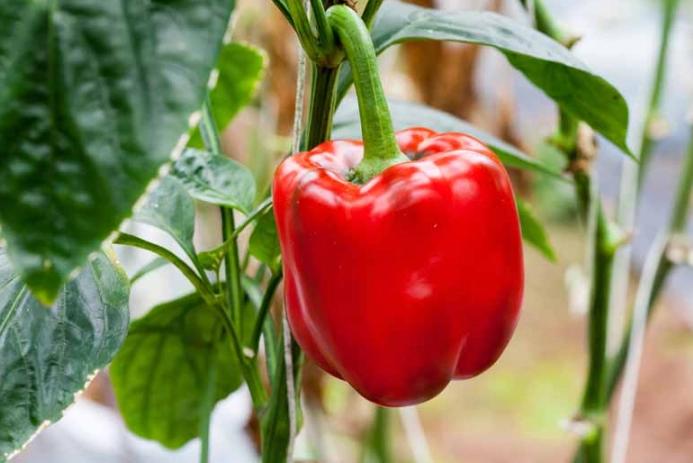
Planting and Ongoing Care
You've got your spot, your soil is ready, and it's warm. Time to plant.
Space your bell pepper plants about 18-24 inches apart. They need good air circulation to stay healthy. I plant them a little deeper than they were in their pot, up to the first set of true leaves. This encourages more root growth along the buried stem, making a sturdier plant.
Mulch is your friend. A 2-3 inch layer of straw, shredded leaves, or wood chips does wonders. It keeps the soil moist, suppresses weeds, and keeps soil from splashing onto the leaves (which can spread disease).
To Stake or Not to Stake?
It depends on the variety and your weather. Heavy-fruited plants or those in windy areas will definitely need support. A simple tomato cage or a sturdy stake works fine. I put cages on at planting time so I don't damage roots later. It's cheap insurance against a storm snapping a loaded branch.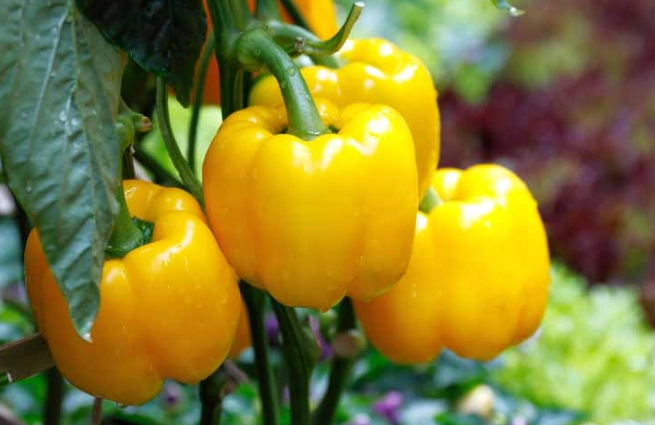
Feeding Your Plants
Bell pepper plants are moderate feeders. The compost and slow-release fertilizer you added at planting will carry them for a while. When they start setting fruit, give them a boost. I use a liquid fertilizer, like fish emulsion or a balanced tomato fertilizer, every 3-4 weeks. Don't overdo nitrogen (the first number), or you'll get a huge, beautiful bush with very few peppers. You want to encourage flowering and fruiting.
The Inevitable Problems (And How to Fix Them)
Even with perfect care, pests and diseases find a way. Here's how to deal with the usual suspects.
Common Pests on Bell Pepper Plants
- Aphids: Tiny green or black bugs that cluster on new growth. They suck sap and can spread viruses. A strong blast of water from the hose knocks most off. For bad infestations, insecticidal soap or neem oil works. Ladybugs love to eat them.
- Pepper Weevils / Flea Beetles: These little guys chew tiny holes in the leaves. They're more annoying than deadly for established plants. Neem oil or diatomaceous earth can help. Keeping the area weeded removes their hiding spots.
- Tomato Hornworms: These massive green caterpillars can strip a plant overnight. Hand-pick them (they're easy to see) and drop them in soapy water. Look for their black droppings on leaves as a clue.
- Slugs and Snails: They love tender seedlings. Beer traps, copper tape, or diatomaceous earth around the base of plants are effective.
Common Diseases
- Bacterial Leaf Spot: Ugly black spots with a yellow halo on leaves. It spreads in wet weather. Avoid overhead watering, space plants for air flow, and remove infected leaves. There's no cure, so prevention is key. Buy disease-resistant varieties and don't work with plants when they're wet.
- Powdery Mildew: A white, powdery coating on leaves. It's a fungus that thrives in humid conditions with poor air circulation. Baking soda sprays (1 tablespoon baking soda, 1/2 teaspoon liquid soap, 1 gallon water) can help suppress it. Again, good spacing and watering at the base are the best prevention.
- Blossom End Rot: As discussed, it's a watering/calcium uptake issue. Consistent moisture is the fix.
For serious, recurring disease problems, crop rotation is crucial. Don't plant peppers (or tomatoes, eggplants, potatoes) in the same spot year after year. Wait at least 3 years before returning to that bed.
Harvesting and Using Your Peppers
The best part! You can harvest bell peppers at any size. Green peppers are simply unripe peppers. They're edible but often more bitter and less sweet.
If you wait, the magic happens. The pepper will change color to its mature hue—red, yellow, orange, etc. This process is called "ripening" or "coloring up." The flavor becomes much sweeter, the vitamin content (especially Vitamin C and A) increases dramatically, and the texture is sublime.
Use sharp scissors or pruners to cut the pepper from the plant, leaving a short stub of stem. Pulling it can damage the branch.
What to do with a glut? They freeze beautifully. Just chop them up (no need to blanch) and freeze in a single layer on a tray before bagging. They're perfect for cooked dishes like soups, stews, and stir-fries. You can also roast and peel them, then freeze in oil.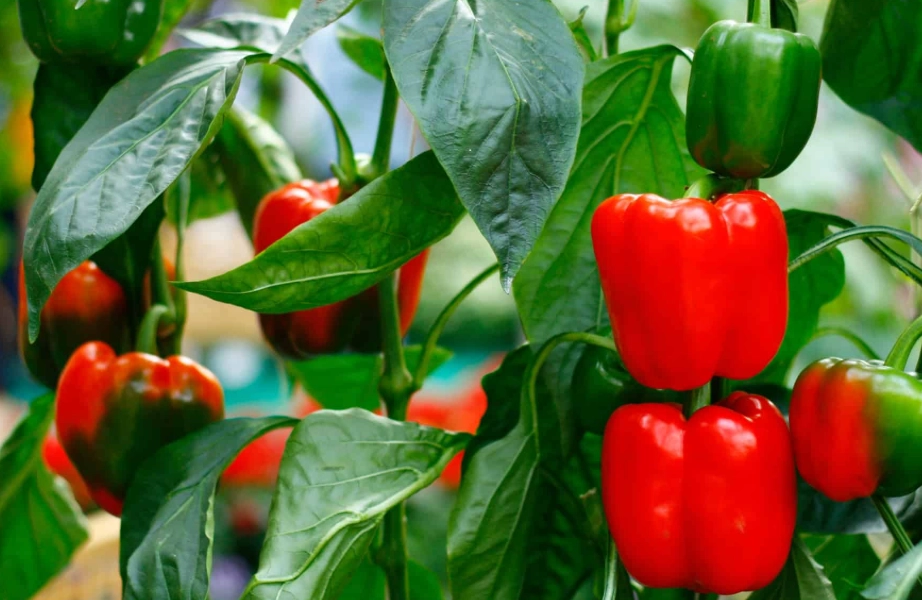
Your Bell Pepper Questions, Answered
This is usually a temperature issue. If daytime temps are above 90°F (32°C) or nighttime temps are below 55°F (13°C), the pollen becomes sterile or the flowers drop. Be patient. Once temperatures moderate, fruit will set. Also, make sure bees can find your garden. Gently shaking the plants in the morning can help self-pollinate.
It's not necessary, but it can help. Pinching off the very first set of flower buds when the plant is small forces it to put energy into growing bigger before fruiting, often leading to a larger overall harvest. Some gardeners also remove lower, non-productive leaves to improve air flow. I do a light version of both, but it's not a make-or-break practice.
Absolutely! It's a great option. Use a pot that's at least 12-14 inches deep and wide. Use a high-quality potting mix (not garden soil). Watering is critical—pots dry out fast. You may need to water daily in hot weather. Choose compact or dwarf varieties for best results in containers.
They are tender perennials. In frost-free climates, they can live and produce for several years. For most of us, they are grown as annuals and will produce continuously from midsummer until the first hard frost kills them. A light frost might damage the plant but you can often harvest surviving peppers.
Going a Step Further: Resources and Deep Dives
Want to nerd out even more? Here are some fantastic, trustworthy resources I rely on.
The University of Minnesota Extension has a superb, science-based guide on growing peppers that covers everything from soil tests to specific pest management in detail. Their information is tailored for cooler climates, which is incredibly helpful.
For organic methods and in-depth soil health information, the Rodale Institute is a gold standard. Their research on building healthy soil directly translates to healthier, more resilient bell pepper plants.
Finally, your local Cooperative Extension Service (search "[Your County] cooperative extension") is an unbeatable local resource. They offer planting calendars, variety recommendations for your exact area, and can even diagnose plant problems from photos or samples. It's a free or low-cost service funded by your state university. I use mine every season.
Growing bell pepper plants is a journey. You'll have great years and frustrating ones. But each season teaches you something. Start with a sturdy variety like California Wonder, give it sun, warmth, and consistent water, and you'll be amazed at what you can grow. Don't be afraid to get your hands dirty and learn as you go. That's half the fun.
Now, go plant something.
Reader Comments