In This Guide
- Why Getting the Timing Right Is a Big Deal
- The Top Signs Your Butternut Squash is Begging to Be Picked
- The Final Maturity Checklist & The Harvest Window
- How to Harvest: The Right Way to Do It
- What To Do Right After Harvest: Curing is Non-Negotiable
- Long-Term Storage: Keeping Your Squash for Months
- Common Mistakes to Avoid (I've Made Most of These)
- What If...? Handling Special Situations
- Your Butternut Squash Harvest Questions, Answered
Let's talk about butternut squash. You've spent months watering, weeding, and watching those little vines sprawl all over the place. Now you've got these beautiful, pale fruits hiding under the leaves, and the big question hits you: when do I harvest my butternut squash? Get it wrong, and you could end up with bland, watery flesh or a squash that rots in your pantry after two weeks. I've been there, staring at a squash, poking it, wondering if today's the day. It's frustrating.
So, let's cut through the guesswork. Harvesting butternut squash isn't about a specific calendar date, though that's part of it. It's about reading the plant's signals. The squash itself will tell you when it's ready, you just need to know what to look for. This guide is everything I wish I knew when I started, packed with the visual checks, the hands-on tests, and the little details that make all the difference between a good harvest and a great one.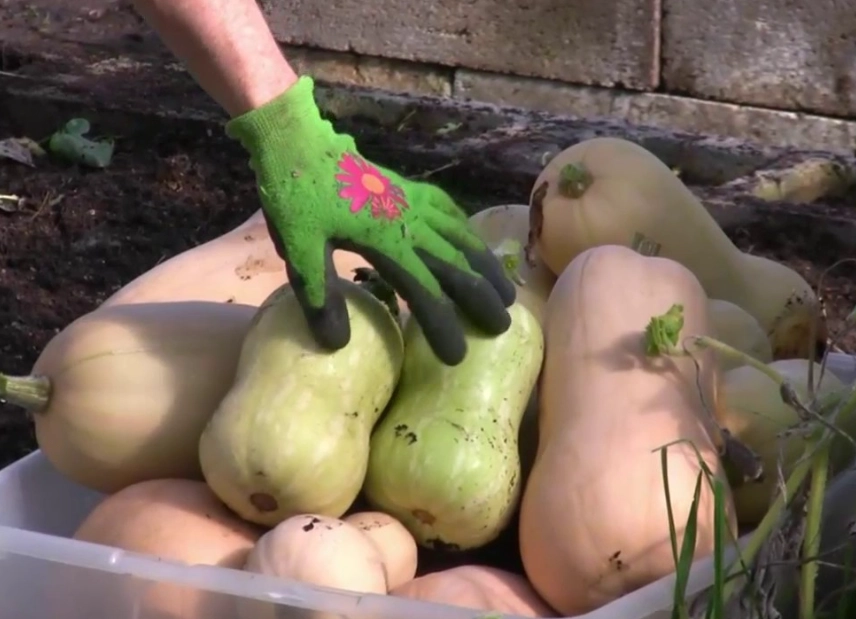
Why Getting the Timing Right Is a Big Deal
Harvesting at the perfect moment isn't just gardener pride—it directly impacts your squash's eating quality and how long it lasts. Pick too early, and the sugars haven't fully developed. You'll get a squash that's more starchy than sweet, with a higher water content that leads to poor texture and invites rot during storage. The skin won't have hardened enough to protect it.
Pick too late, especially if you're flirting with frost, and you risk physical damage. A light frost might just nip the vines, but a hard freeze can actually damage the fruit itself, turning the flesh watery and accelerating decay. Even without frost, an over-mature squash can become fibrous, stringy, and lose that lovely nutty flavor.
The sweet spot? When the squash has reached its full maturity on the vine. This is when it has packed in the maximum sugars, developed a tough, protective rind, and is primed for long-term storage. Getting this right means you can enjoy your homegrown butternut squash well into winter.
The Top Signs Your Butternut Squash is Begging to Be Picked
Forget the calendar for a second. Your primary guide should be the squash itself. Here are the undeniable signs that answer the question when do I harvest my butternut squash.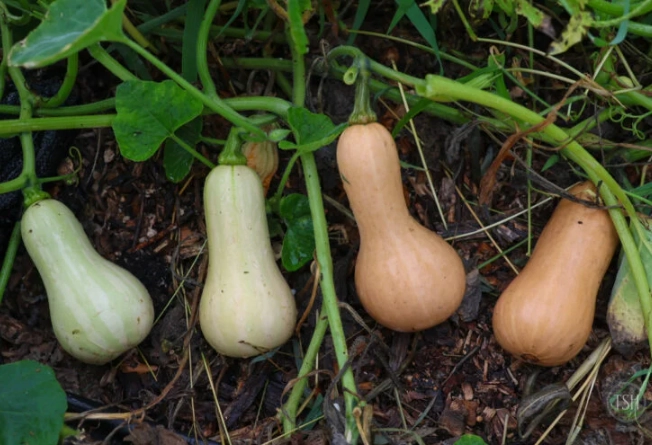
Color Change: From Green to That Classic Tan
This is the most obvious sign. A maturing butternut squash undergoes a distinct color transformation. It starts a pale, creamy green or yellow with maybe some green streaks. As it ripens, it deepens into a uniform, solid beige or tan color. Any green tinge should be completely gone. The color should look deep and consistent, not washed out.
Sometimes, the part resting on the ground might stay a little paler. That's normal. But the majority of the skin, especially the top and sides, should be that rich, nutty brown. If you see significant green, give it more time.
The Stem is Your Best Clue (The "Corking" Test)
This is, in my opinion, the most reliable sign. Look at the stem (the little handle) where the squash connects to the vine. When the squash is mature, this stem begins to dry out, harden, and turn brown. It starts to look corky and woody. This process is called "corking."
An immature squash will have a green, fleshy, flexible stem. If you try to snap it, it'll bend and maybe tear messily. A mature, ready-to-harvest squash will have a stem that's brown, dry, and rigid. When you cut it, it should snap cleanly. This hardened stem is nature's way of sealing off the fruit from the vine and preventing moisture loss and rot entry points.
I always check the stem first. If it's still green and juicy-looking, I walk away, no matter how good the color is.
Skin Hardness: The Fingernail Test
The skin, or rind, of a ripe butternut squash should be extremely hard and impervious to gentle pressure. This is your squash's suit of armor for storage. Here's the classic test everyone talks about:
Try to pierce the skin with your fingernail. Not on the colored part, but on the paler, "belly" area that was touching the ground. Use moderate pressure. On an immature squash, your nail will easily dent or puncture the skin. On a fully mature squash, your nail will simply glide across the surface without making a mark. It should feel as hard as a… well, a hard winter squash.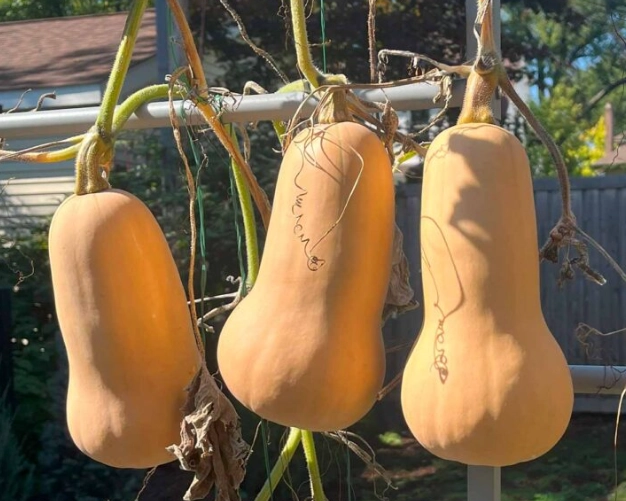
The Vine Gives Up
Take a look at the vine the squash is attached to. As the squash reaches full maturity, the section of vine closest to it often starts to die back. It turns yellow, brown, and withers. This is the plant's final act, signaling it has sent all the energy it can to the fruit. It's a supportive sign, especially when combined with the others.
Sometimes the entire vine might be hit by mildew or insects and die off prematurely. In that case, don't use this as your only sign—the squash might not be fully ripe yet even if the vine is dead. Focus on the stem and skin test.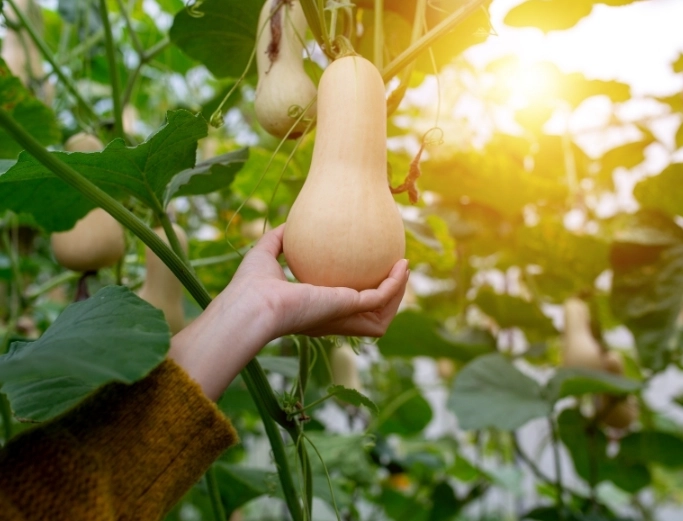
The Final Maturity Checklist & The Harvest Window
So, pulling it all together, you're looking for a combination of factors. Here’s a quick-reference table to help you decide when do I harvest my butternut squash.
| Sign of Maturity | What to Look For | Immature Squash (Wait) |
|---|---|---|
| Skin Color | Deep, uniform tan/beige. No green streaks. | Pale green, yellow, or streaky. |
| Stem Condition | Brown, dry, corky, and woody. Snaps cleanly. | Green, fleshy, flexible. Bends or tears. |
| Skin Hardness | Cannot be pierced with fingernail. Very hard. | Yields to thumbnail pressure. Can be dented. |
| Vine Condition | Vine near squash is browning/dying back. | Vine is still green and vigorous. |
| Size & Shape | Has reached full, plump size typical for variety. | May still be undersized or not fully filled out. |
Now, about timing. In most temperate climates, the primary harvest window for butternut squash falls from late September through October. It's almost always an autumn job. The days are getting shorter and cooler, which signals the plant to finish up. The single biggest external factor is frost. You absolutely want to harvest before the first hard frost (temps below 28°F / -2°C for several hours). A light frost that just kills the vines might be okay if you harvest immediately after, but don't push your luck.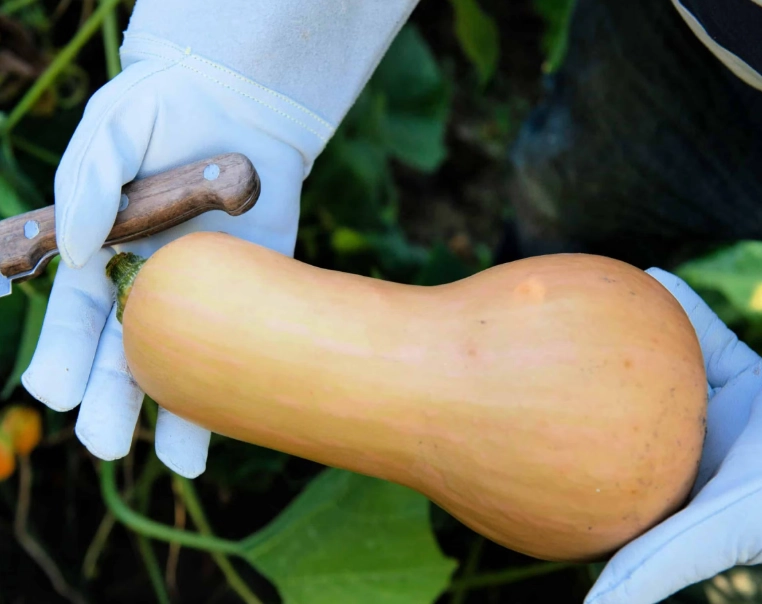
How to Harvest: The Right Way to Do It
Okay, your squash has passed all the tests. It's time. Here’s the step-by-step on how to actually get it off the vine without causing problems down the line.
Use the right tool.
Don't twist or yank the squash off. You'll almost certainly tear the stem, leaving a jagged wound that rots. Use a sharp pair of pruning shears, a sturdy knife, or a garden lopper. Make sure the blade is clean to avoid introducing disease.
Leave a long handle.
Cut the stem, leaving a good 2 to 4 inches attached to the squash. This handle acts as a protective "plug." If you cut it flush with the squash, you create a perfect entry point for rot organisms. That long, dry stem is your friend. Think of it as the squash's natural seal.
Handle with care.
Even though the rind is hard, avoid dropping, throwing, or bruising the squash. Any damage compromises its storage life. Carry it from the bottom, not by the stem, as the stem can snap off.
Clean it gently.
Brush off any loose, caked-on dirt with a dry cloth or soft brush. Do not wash your squash with water. Introducing moisture at this point is a recipe for mold and rot. You want the surface completely dry for the next crucial step: curing.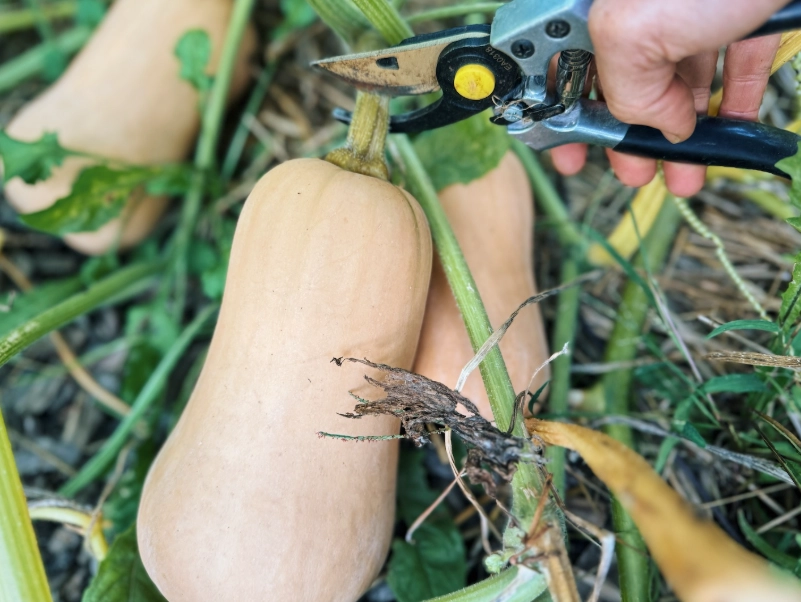
What To Do Right After Harvest: Curing is Non-Negotiable
This is the step most new gardeners skip, and it's why their squash doesn't last. Curing is a process of hardening the skin further and healing minor scratches. It also helps convert some starches to sugars, improving flavor.
After harvest, place your squash in a single layer (don't pile them up) in a warm, dry, well-ventilated spot. Ideal conditions are around 80-85°F (27-29°C) with good air circulation for about 10 to 14 days. A sunny porch, a greenhouse bench, or even a warm room in the house works.
During this time, that cut stem you left will dry and callous over completely, sealing the fruit. The skin will toughen up even more. If you're wondering, "when do I harvest my butternut squash so it can cure properly?"—the answer is: when you have a warm, dry place to put it for a couple of weeks. If frost is coming tomorrow and your only option is a cold, damp garage, your curing won't be as effective.
Long-Term Storage: Keeping Your Squash for Months
Once cured, your squash is ready for its winter nap. The goal now is to slow down its respiration. Ideal storage conditions are cool, dark, and dry.
- Temperature: Aim for 50-55°F (10-13°C). A cool basement, an unheated spare room, or a root cellar is perfect. Avoid storing in the fridge—it's too cold and humid for most winter squash, which can lead to chilling injury.
- Humidity: Moderate humidity, around 50-70%, is good. Too dry, and they'll shrivel. Too damp, and they'll mold.
- Setup: Don't let the squash touch each other. Place them on shelves, in cardboard boxes, or on pallets with space between. Check them every few weeks for any soft spots or mold, and remove any offenders immediately.
Stored correctly, a properly harvested and cured butternut squash can easily last 3 to 6 months, sometimes even longer. That's the real payoff for getting the harvest timing right.
Common Mistakes to Avoid (I've Made Most of These)
Let's be honest, we all mess up. Here are the big blunders so you can avoid them.
Harvesting based on size alone. Just because it's big doesn't mean it's ripe. I've picked massive squash only to find the stem was still green and the flesh tasteless.
Twisting off the squash. This almost guarantees a torn stem, which rots quickly. Always cut.
Washing before storage. It seems like the clean thing to do, but it invites trouble. Dry brushing only.
Skipping the cure. You put in all that work. Don't ruin it by throwing them straight into a cold basement. The University of Massachusetts Amherst Center for Agriculture stresses that curing is critical for developing the hard rind needed for storage.
Storing in a pile. One rotten squash can quickly spread mold to its neighbors. Give them space.
What If...? Handling Special Situations
Gardening is never textbook. Here's how to handle some tricky scenarios.
What if an early frost is forecast? If a light frost (just at freezing) is coming but your squash aren't fully ripe, you can throw a blanket or row cover over the plants overnight for protection. If a hard, killing frost is imminent, harvest all mature squash immediately. Any squash that has even slight color change and hard skin might still ripen somewhat off the vine if cured properly, but flavor may suffer.
What if I have to harvest early? Life happens. If you must pick a squash that's not fully colored or the stem is green, bring it indoors and cure it in that warm spot. It may continue to color up a bit, but it won't develop the full sweetness or storage potential of a vine-ripened squash. Use these ones first.
What if the squash has a blemish or soft spot? Harvest it separately. Don't try to store it with your perfect squash. Cut out the bad part and use it right away in soup or roasting.
Your Butternut Squash Harvest Questions, Answered
Figuring out when do I harvest my butternut squash is one of the most satisfying parts of growing them. It's the final exam for all your summer care. Trust the signs—the hard skin, the corky stem, the deep color. Harvest with care, cure with patience, and store with diligence. Do all that, and you'll be pulling sweet, flavorful squash out of storage long after the garden is asleep under snow. There's nothing quite like making a soup in January from a squash you grew yourself, knowing you picked it at just the right moment.
Got a squash in your garden you're unsure about? Go out and give it the fingernail test. Check that stem. You'll know.
Reader Comments